
Founding Years (1926–1953)
A Campus Rooted in History
The story of Lovett’s Paces Ferry Road campus is one of transformation–a land shaped by more than a century of movement, conflict, and ultimately a vision devoted to learning.
Long before the city of Atlanta emerged, this landscape lay within the Muscogee (Creek) people's territory. It was part of a vital network of trade and travel routes, anchored by nearby Pakanahuili, or Standing Peachtree, a settlement at the meeting of Peachtree Creek and the Chattahoochee River.

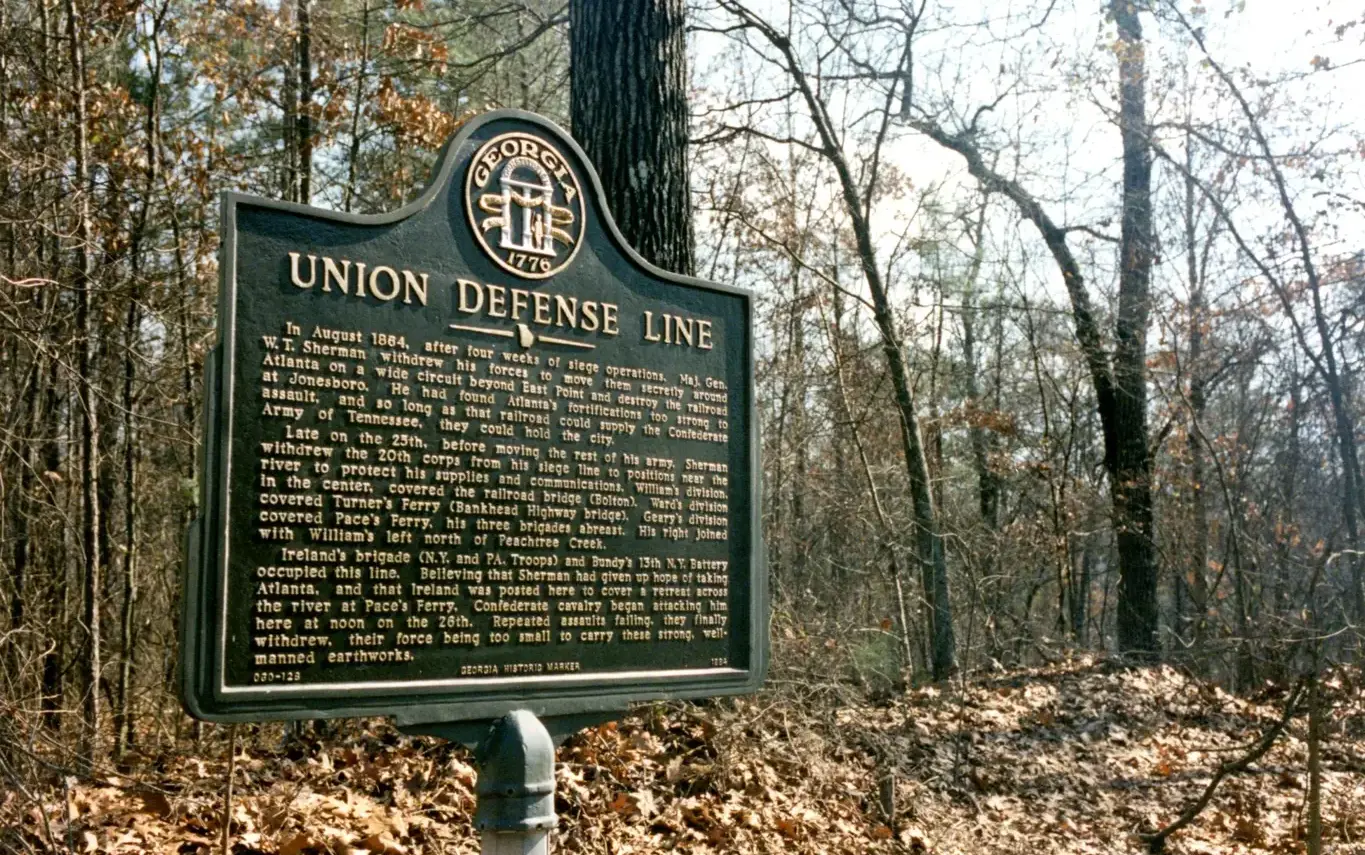
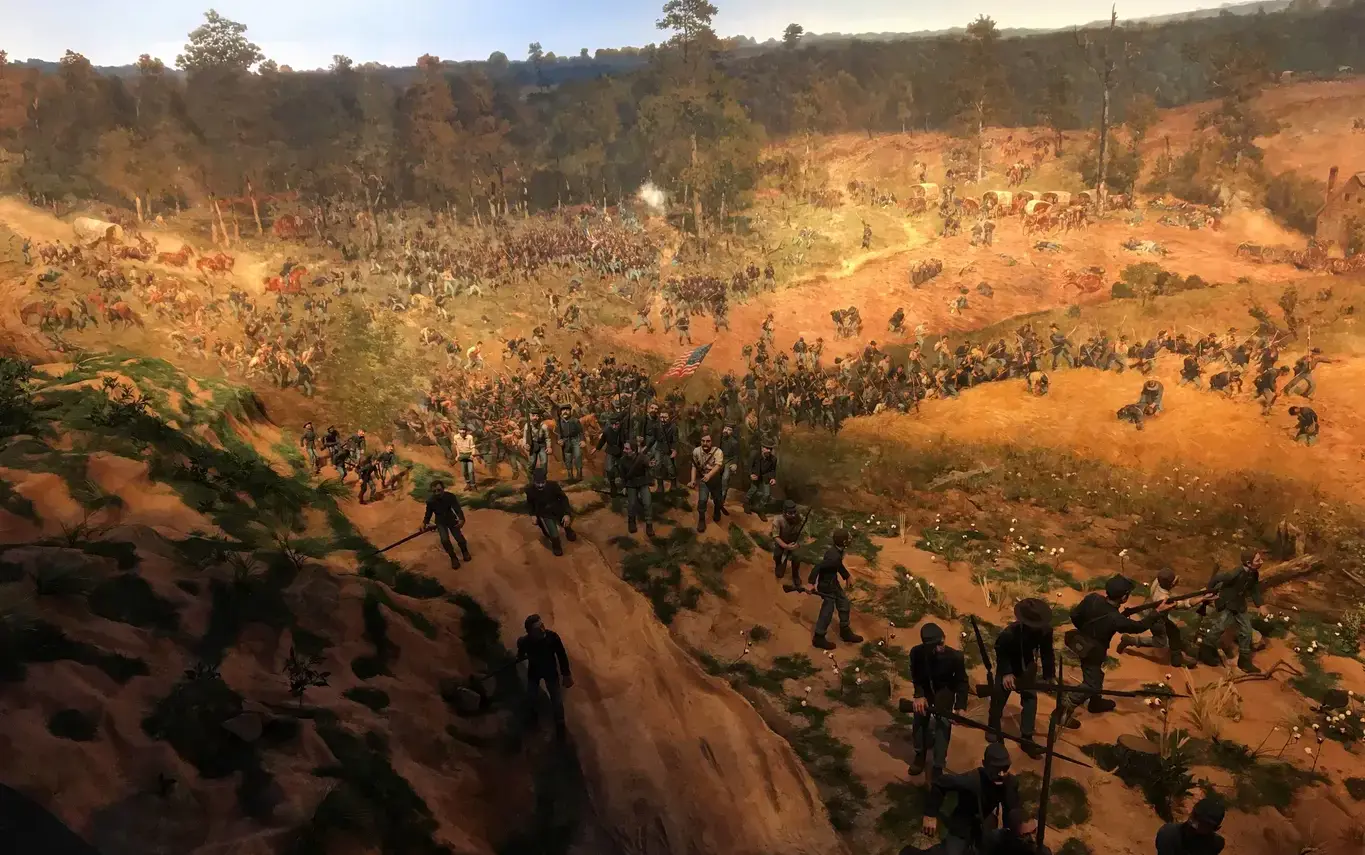
By the time of the Civil War, the land had taken on new strategic significance. During the 1864 Atlanta Campaign, the Skirmish at Pace’s Ferry marked a critical river crossing for Union forces advancing toward Atlanta. Evidence of that moment remains preserved in the Pace’s Ferry Earthwork, a rare example of Civil War defensive engineering.
The land’s modern chapter began with a different purpose. Founded in 1926, The Lovett School grew steadily through its early decades, relocating multiple times as its community and needs expanded. By the late 1950s, it was clear that to fully realize Eva Lovett’s educational vision, the school needed a permanent home with room to grow.
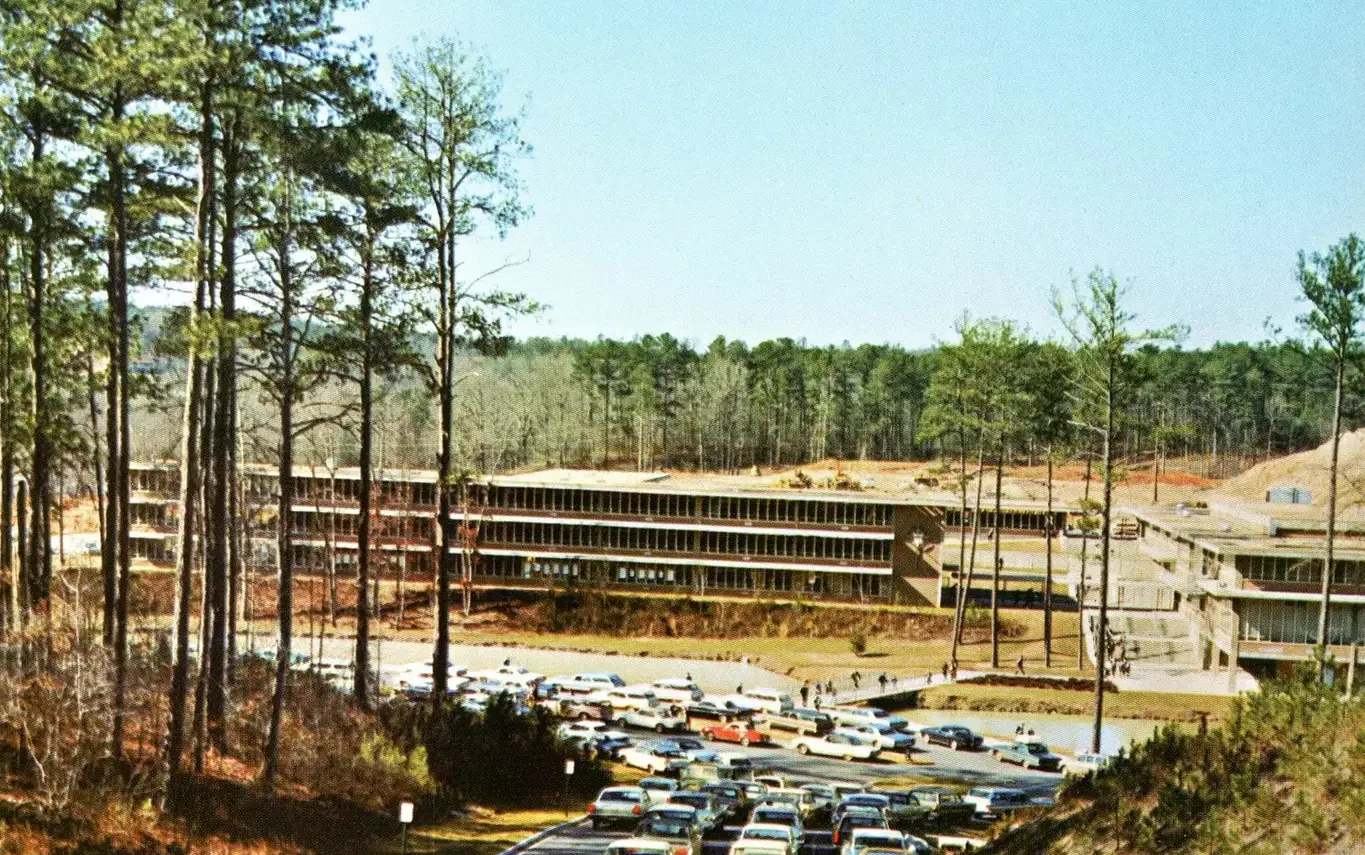
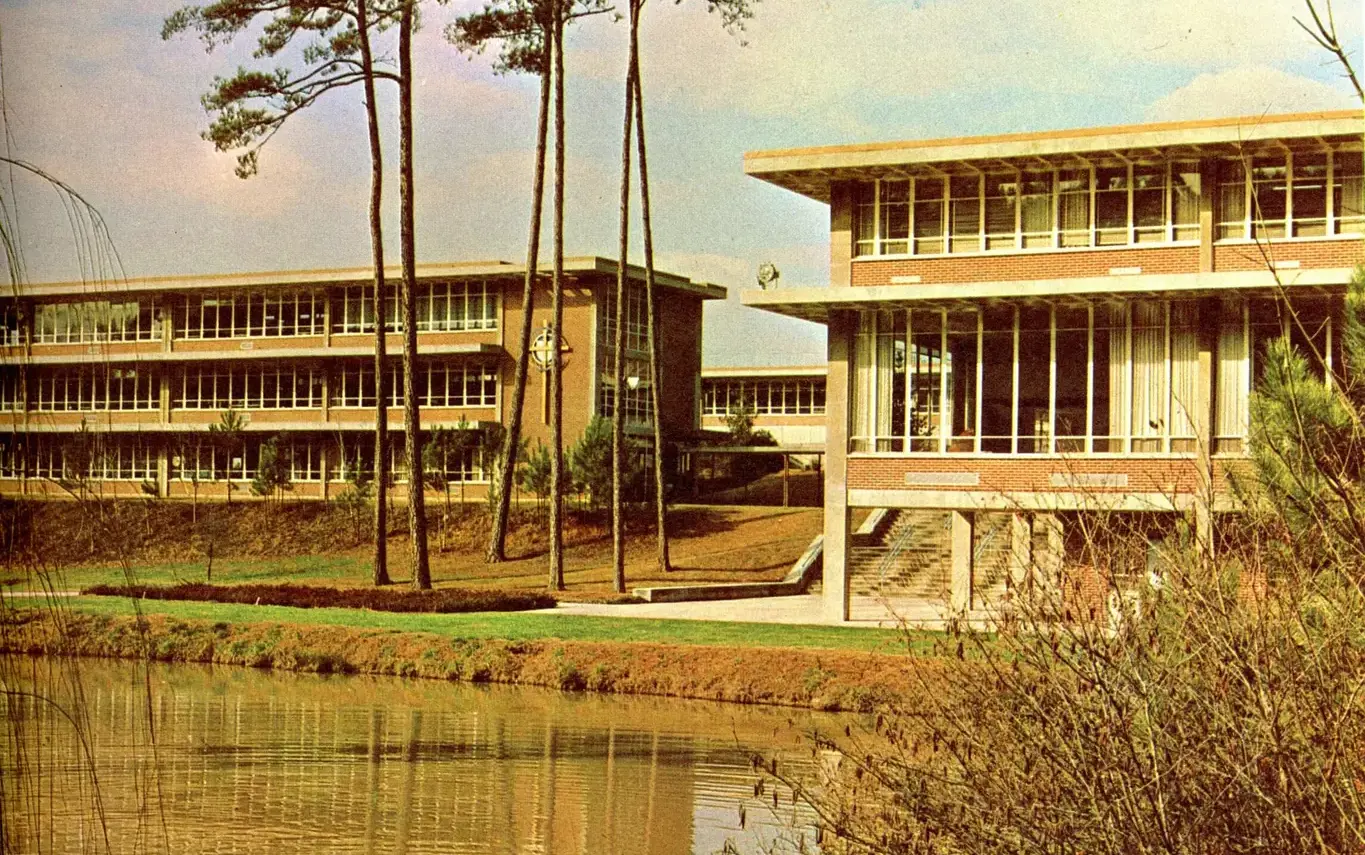
In 1958, that search led to 83 acres along Paces Ferry Road, land owned by former two-term Georgia governor John Marshall Slaton.
A graduate of the University of Georgia, a lawyer, and a legislator, Slaton helped modernize Georgia’s infrastructure and tax systems and championed educational initiatives. Even with these achievements, he is perhaps best remembered for his 1915 decision to commute the death sentence of Jewish Atlantan Leo Frank, citing serious concerns about the evidence. While historians applaud Stanton’s decision, it was unpopular at the time and effectively ended his political career. Frank was ultimately captured by an angry mob and lynched.
Acquiring this land from Slaton’s estate proved foundational for The Lovett School’s future, and construction began swiftly in 1959. By the 1960–61 school year, students were welcomed on campus, their permanent home.

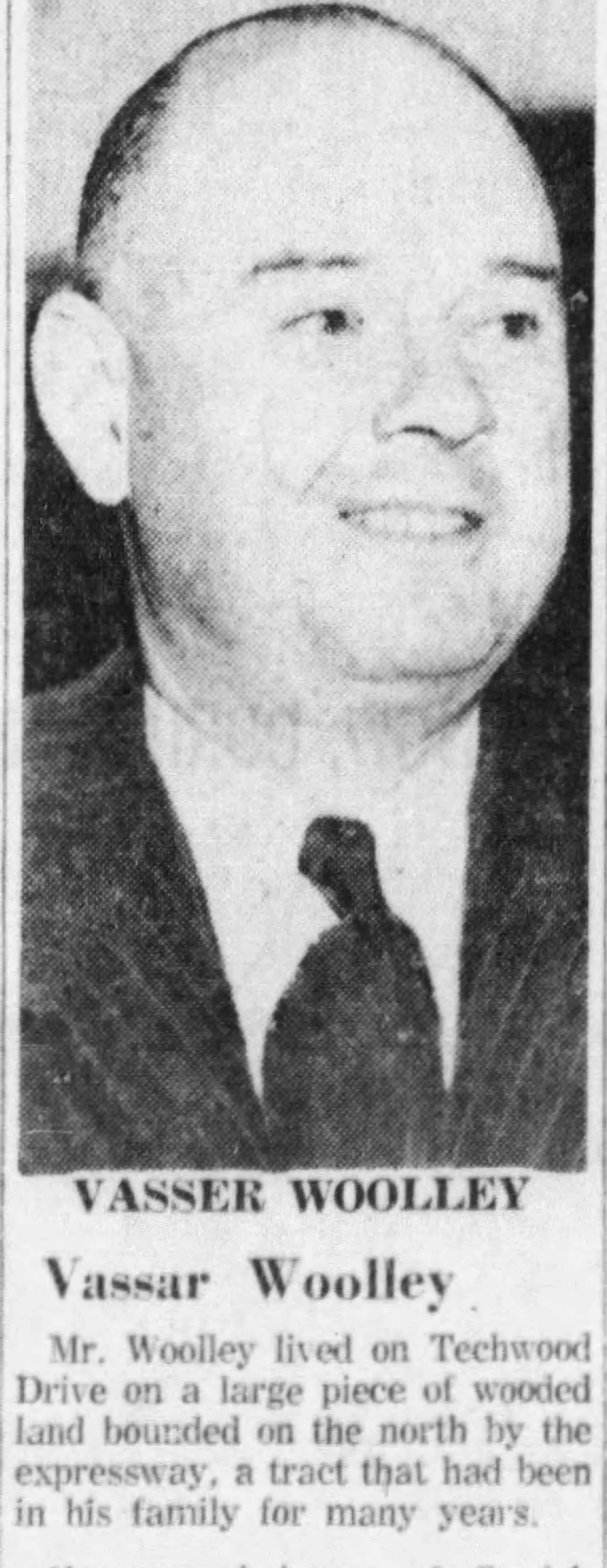
As growth continued, just two years after moving onto the Paces Ferry Road campus, an additional 60 acres were secured through the estates of Vasser Woolley, Jr., and Stuart Murray.
Woolley, a Georgia Tech-educated engineer and philanthropist, helped arrange the transfer before his passing.
Murray, owner of the Atlanta Beverage Company and devoted supporter of education, along with his wife, Eulene, ensured that the expansion would serve generations of students. The current football and baseball fields are located on these additional acres.

Today, Lovett’s campus stands as a bridge between Atlanta’s past and future. From Native American trade routes to Civil War defenses, each acre holds a layered history, and education now defines its landscape.