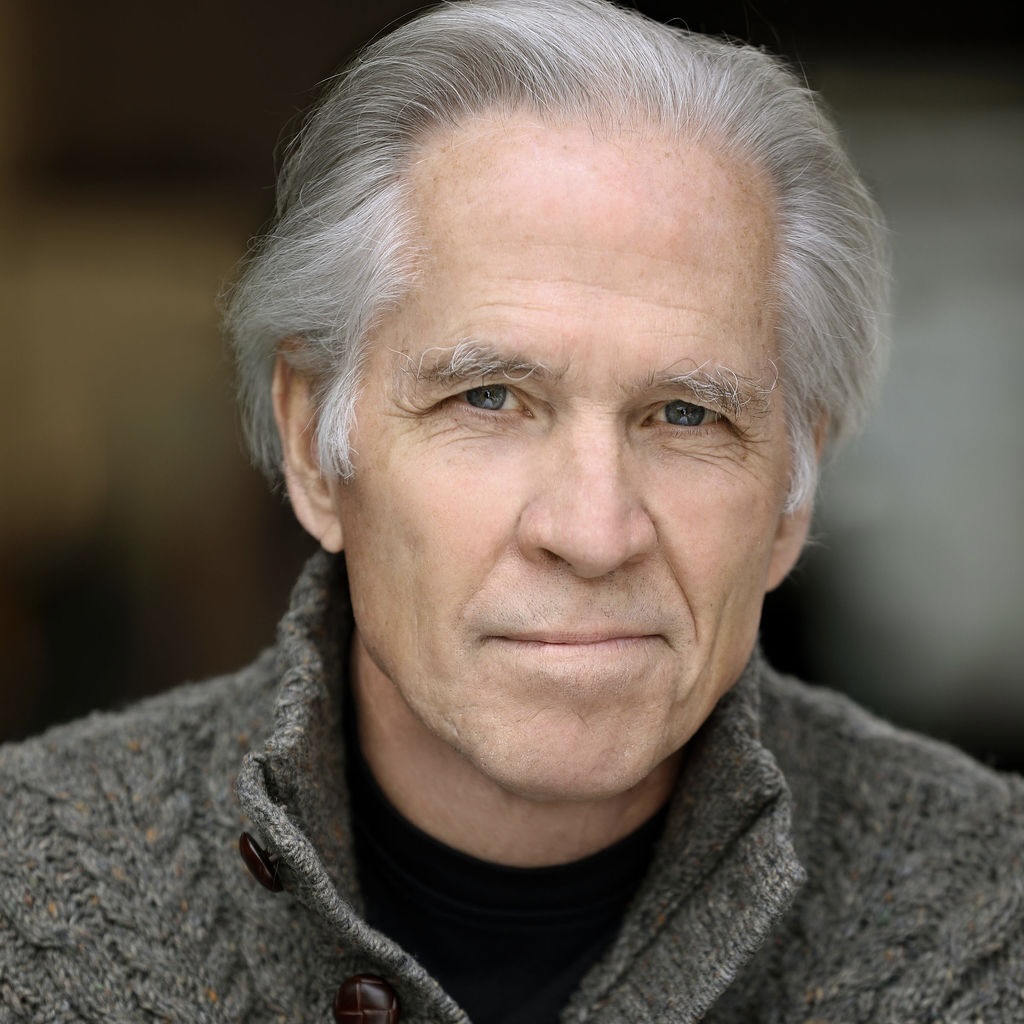
Expanding Horizons (1971–1999)
Alumnus Memoir: How Stuart Culpepper and Lovett Theatre Saved Me
In the late 1960s and early ’70s, Atlanta was a city in rapid transformation. Faster than lightning on water, corn rows and hay bales were giving way to subdivisions and strip malls, the "New South" was all the rage, and newcomers from the frozen North were heading south.
Amid that cultural boom, spots like the Ansley Mall Cinema, run by George Ellis (better known to late-night TV fans as the beloved movie host "Bestoink Dooley"), became unlikely hubs of discovery. It was at that very theatre where many of us first saw The Rocky Horror Picture Show or experienced our first foreign films, like Amarcord, La Dolce Vita, and La Strada, at a time when art and cinema were pushing boundaries across the city.
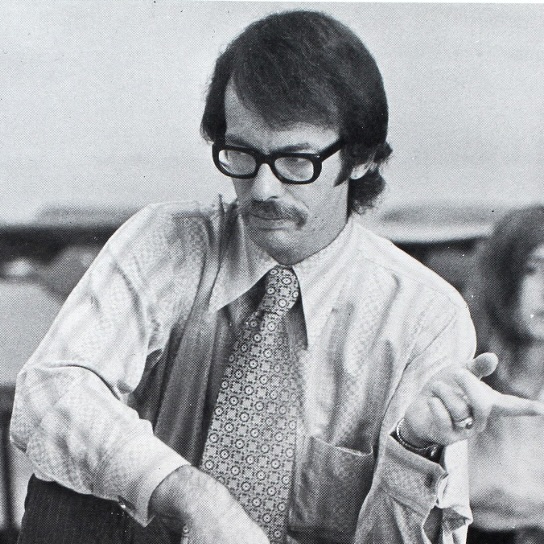
Only years later, a cool cat named Stuart Culpepper arrived as Head of the Lovett Drama Department. He was already known for his vast voice-over career (who can forget his three-syllable pronunciation of “diamond,” “Ellman’s Di-a-monds and gold jew-el-ry,” or his work on Atlanta Stages as Henry II in The Lion in Winter or in Dylan Thomas’ Under Milkwood, directed by the great Frank Wittow of the Academy Theatre). Stuart Culpepper was unlike many of his academic peers. There was no textbook, no syllabus save what he invented. Professionalism and seriousness were shared, with a twinkle in his eye and a true love for theatre arts. Before the Sundance Film Festival, South by Southwest, or even the Toronto Film Festival, Stuart was creating his own, enlisting off-campus movie houses to show films like the great anti-war comedy/drama King of Hearts with Alan Bates or O’Neill’s The Iceman Cometh, all Drama Club outings and required viewing with a test on Monday. Some of his play assignments were considered scandalous at the time (The Boys in the Band, for example), but also Ibsen, Chekhov, O’Neill, Tennessee Williams, Dylan Thomas, and Shakespeare. Assumptions were challenged or confirmed, never judged but always articulated.
I can now say, with little shame, that I was a poor student. Diagnosed with ADHD late in my fifties, I now understand the distractions that made certain learning environments difficult. I found my footing, my passion, and my purpose at Lovett by acting in plays. For the first time in my life, I felt not only proficient at something, but maybe even, dare I say, great. Why not? Many of my peers at Lovett went on to be great lawyers, great investors, great singers, great mothers, and great fathers.
Years later, as a parent facing challenges I could never have anticipated, it was the stories of others, shared in community, that in many ways saved me. That is the power of theatre: to make sense of our lives, to instill empathy, to learn and grow, and to laugh at ourselves. Sitting around the fire to tell stories is our most human endeavor. Perhaps it was destiny, fate, or sheer chance, but in 1973 I was denied my first and second electives and assigned to Theatre and Choir. Either God or some administrator had a pretty good sense of humor, because no one could have known the lifeline being thrown to me, one to which I still cling today.
One cannot look at the Pyramids in Egypt or the great Cathedral of Sainte-Chapelle in Paris, where the gospel story is revealed in stained glass so perfect it takes your breath away, without appreciating the stories behind the people and places that give meaning to our lives. Even engineering feats that still confound experts today are inseparable from the human stories behind them. STEM, the liberal arts, and social-emotional learning (SEL) are natural bedfellows, providing structure and comfort to a weary world. To this day, the stories I produce, direct, or perform are an outgrowth of my curiosity and passion, a flame fanned during my time at Lovett and encouraged by Stuart Culpepper.
As they say in the South, “Good on ya, Lovett.”
By Eddie King ’75