
Changing Times (1954–1970)
Cecil A. Alexander: The Man Who Built Hermi's Bridge
He flew sixty combat missions in the Pacific, dove his plane toward Japanese warships, and came home to Atlanta to build houses for people who needed them.

That perfect balance between heroism and humility, between sweeping ambition and quiet conscience, defined Cecil A. Alexander Jr. more than any single accomplishment could.
Born in 1918 into a prominent Atlanta Jewish family (his father's hardware store on Whitehall Street would one day serve as the inspiration for Scarlett O'Hara's shop in Gone With the Wind), Alexander grew up in a city that was charming, complicated, and deeply unequal.
He studied architecture at Yale and MIT, then watched from a distance as Europe fell under the shadow of Nazi Germany. The distance became unbearable. He enlisted in the Navy, trained as a Marine dive-bomber pilot, and earned the Distinguished Flying Cross not once but twice for the kind of courage that most men are mercifully never asked to produce.
When the war ended, he went back to school, this time to Harvard, where he studied under Walter Gropius, the founder of the Bauhaus. He returned to Atlanta carrying a new architectural vision: clean lines, democratic materials, buildings that didn't pretend to be something they weren't. In a city still largely in love with its antebellum past, he built the future. His own home became one of the first modernist houses in Atlanta and is today listed on the National Register of Historic Places. In the 1950s and ’60s, as Atlanta was trying to project itself as a "City Too Busy to Hate," Mayor Ivan Allen Jr. needed people who could make that slogan true. Alexander was one of them. He led the construction of more than 22,000 low-income housing units, replacing urban slums with more dignified housing. He co-founded the Atlanta Black-Jewish Coalition alongside a young John Lewis, who would go on to become a congressman and a conscience of the nation. |  |
In 1964, when Dr. Martin Luther King Jr. returned to Atlanta as a Nobel Peace Prize laureate and many of the city's white establishment wanted to look the other way, Alexander organized the dinner honoring him, insisting that Atlanta clearly see what it had produced.
His daughters attended Lovett, and he joined the Board of Trustees in 1958, serving for 5 years. But in 1963, Martin Luther King III applied for admission, and the Board had to decide what kind of school Lovett would be. Ultimately, the school refused to desegregate, and Alexander resigned.
It was not a dramatic gesture for its own sake. It was simply the next step for a man who had spent his entire adult life aligning his actions with his beliefs, even when the cost was real. His daughters were still students there. The connections he'd built over five years on the Board were real. He resigned anyway.
The bridge outside Lovett's front gates carries its own chapter in his story and in his marriage. In 1972, Cecil convinced Fulton County to preserve a historic 1912 pedestrian structure rather than demolish it. Lovett contributed $5,000 to the effort.
11 years later, a drunk driver struck Cecil and his wife, Hermione, as they walked together. Hermione, "Hermi," was killed. In the years that followed, Cecil had the bridge renamed in her honor and lobbied the Georgia legislature for stricter DUI laws until they passed. When the bridge was deemed structurally unsafe in 2006, he was 88 years old. He raised nearly a million dollars to restore it.
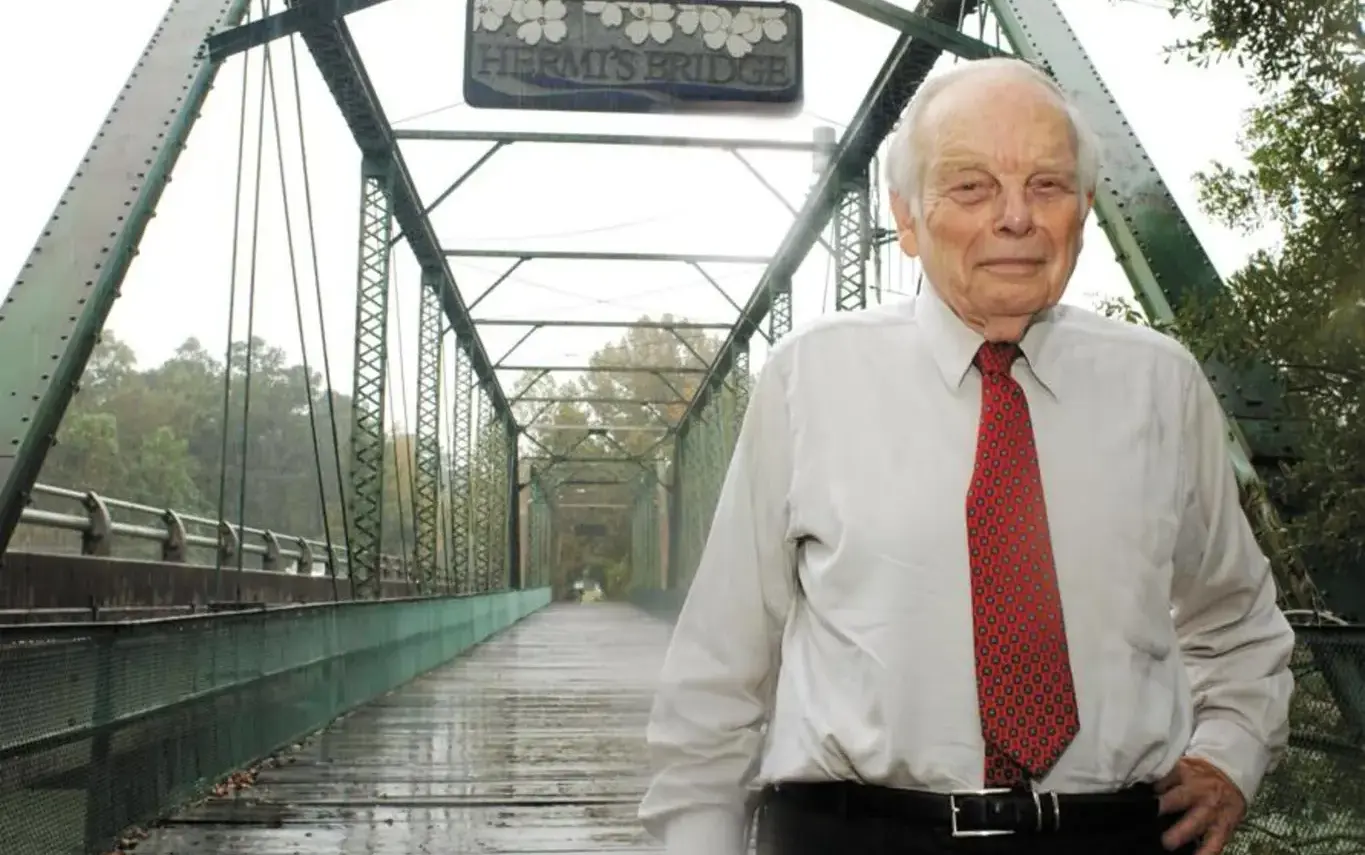
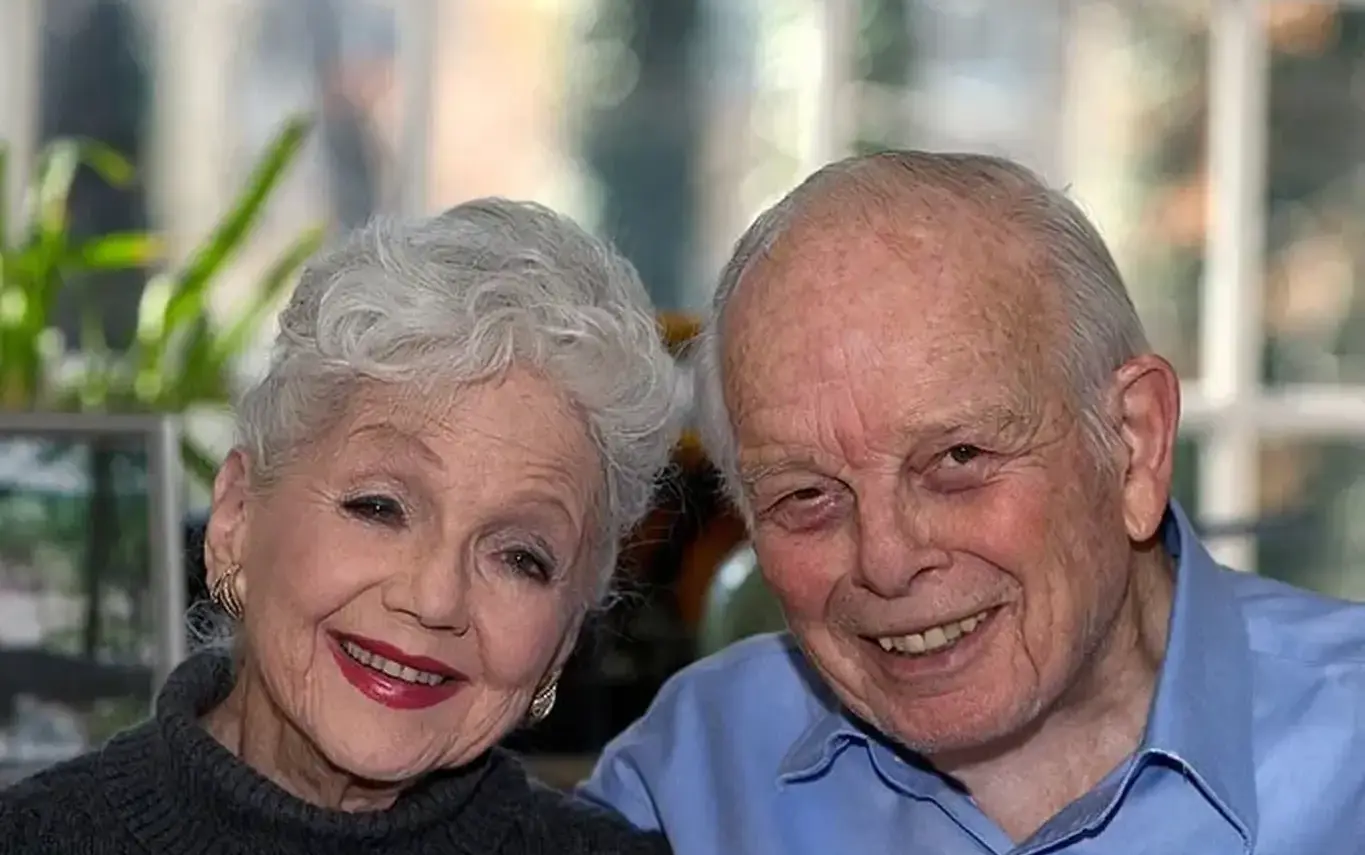
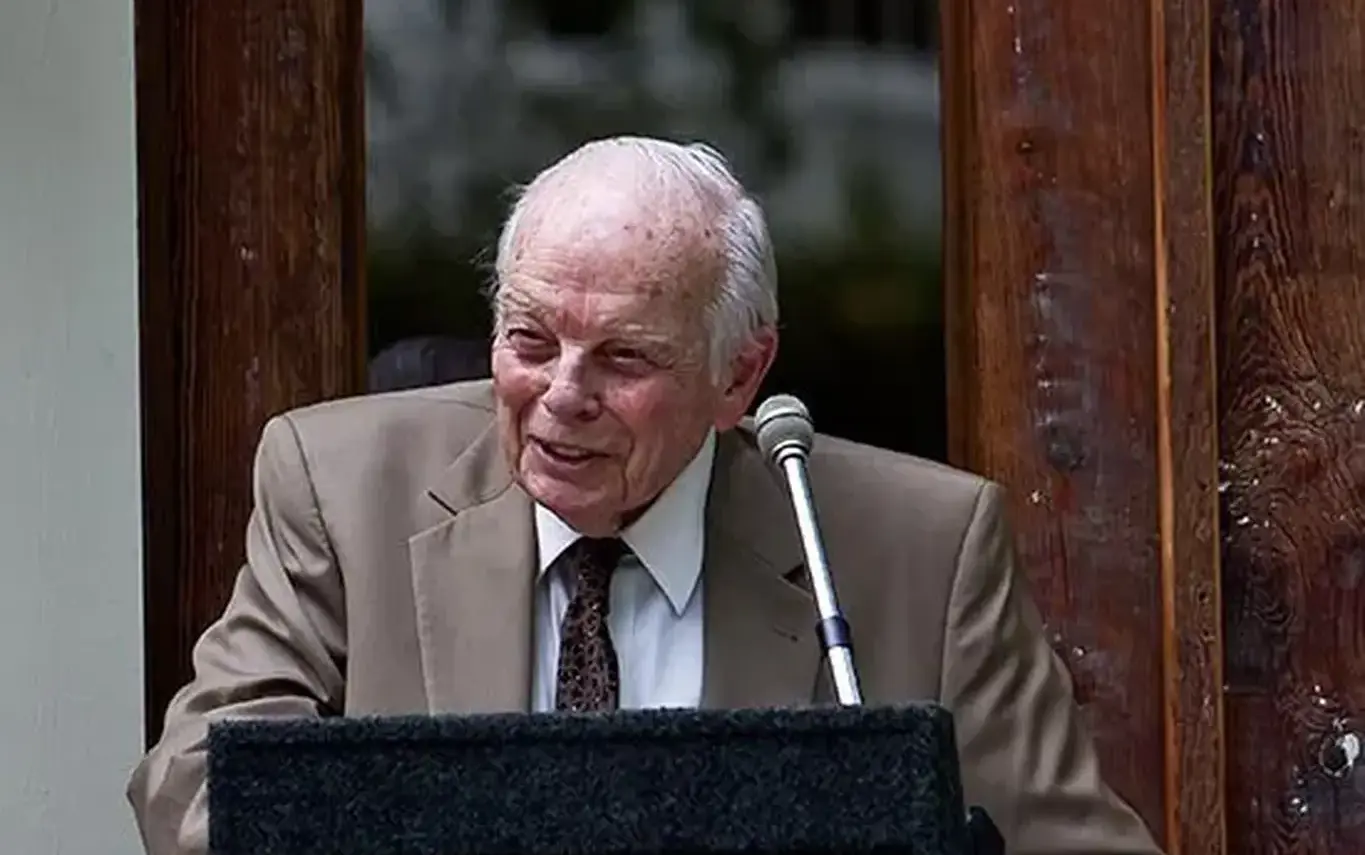
The blue steel and worn wooden planking of Hermi's Bridge is, in the end, a fitting image for a life like Cecil Alexander's: something built with great care, tested by stress, restored through determination and love, and left standing for the next generation to cross.
He died in 2013 at 94 years old. He kept building right up to the end of his life. His final public design was a proposal for a new Georgia state flag, one that shed the Confederate imagery of its predecessor.