Founding Years (1926–1953)
The School that Eva Lovett Built
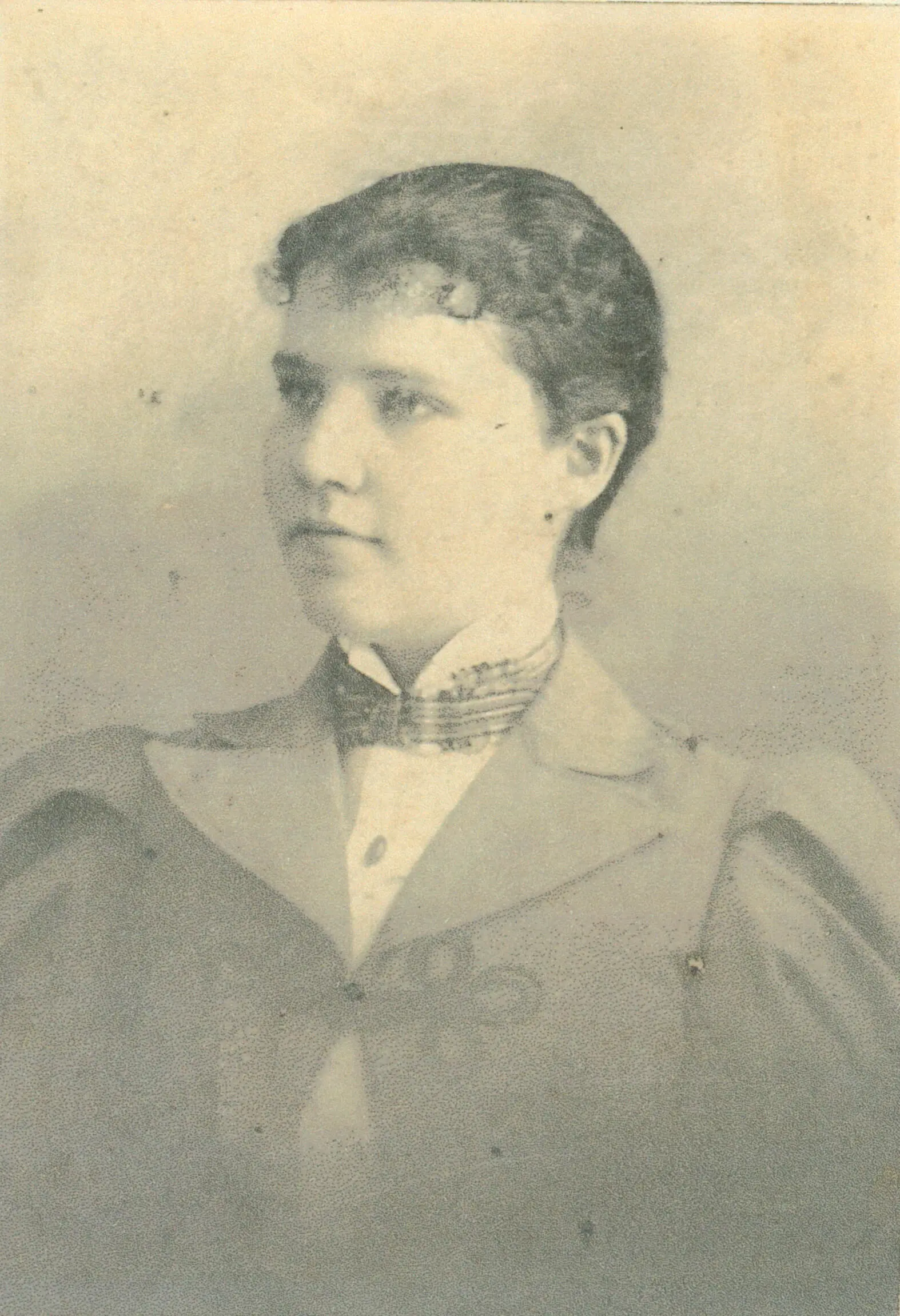
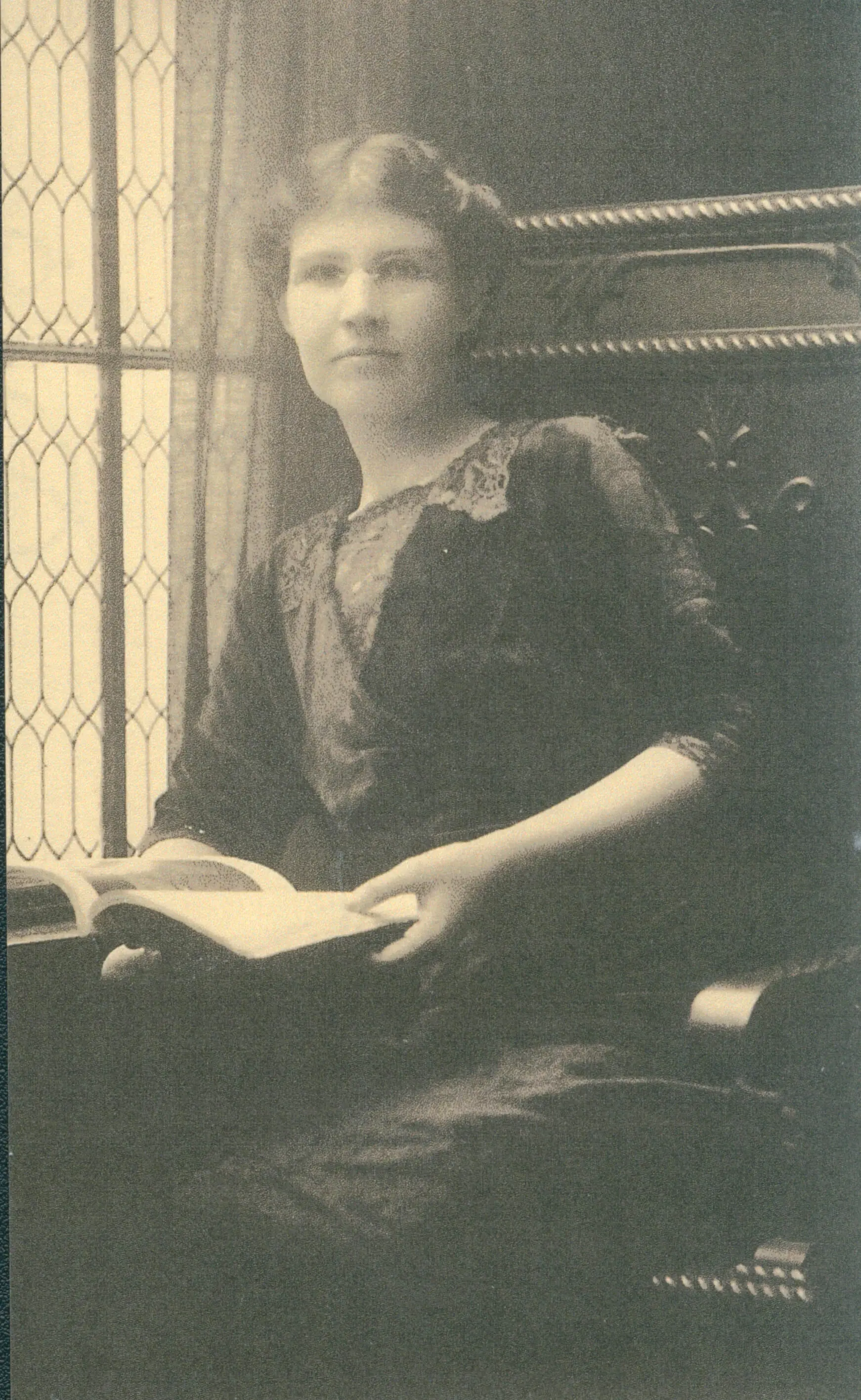
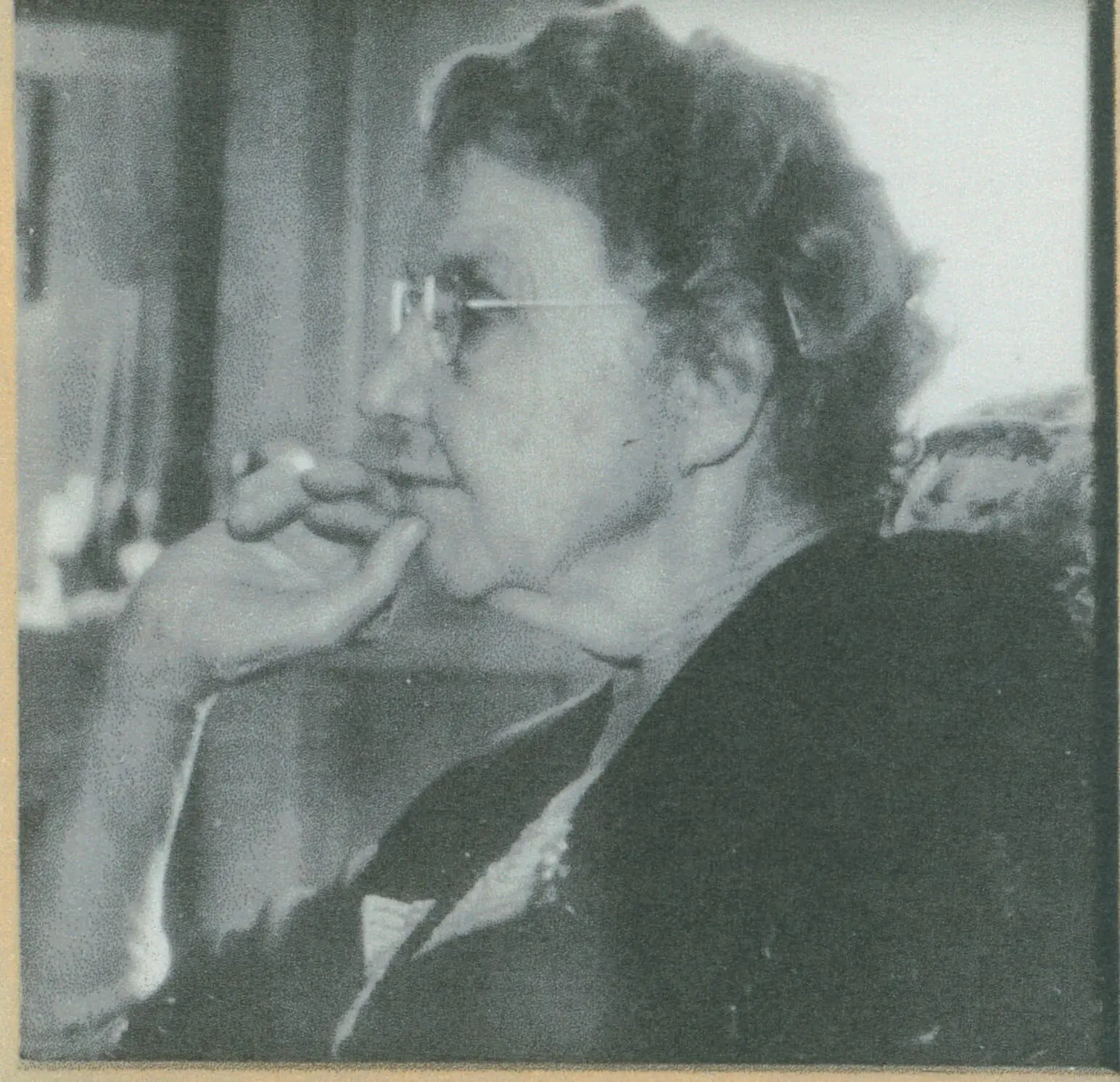
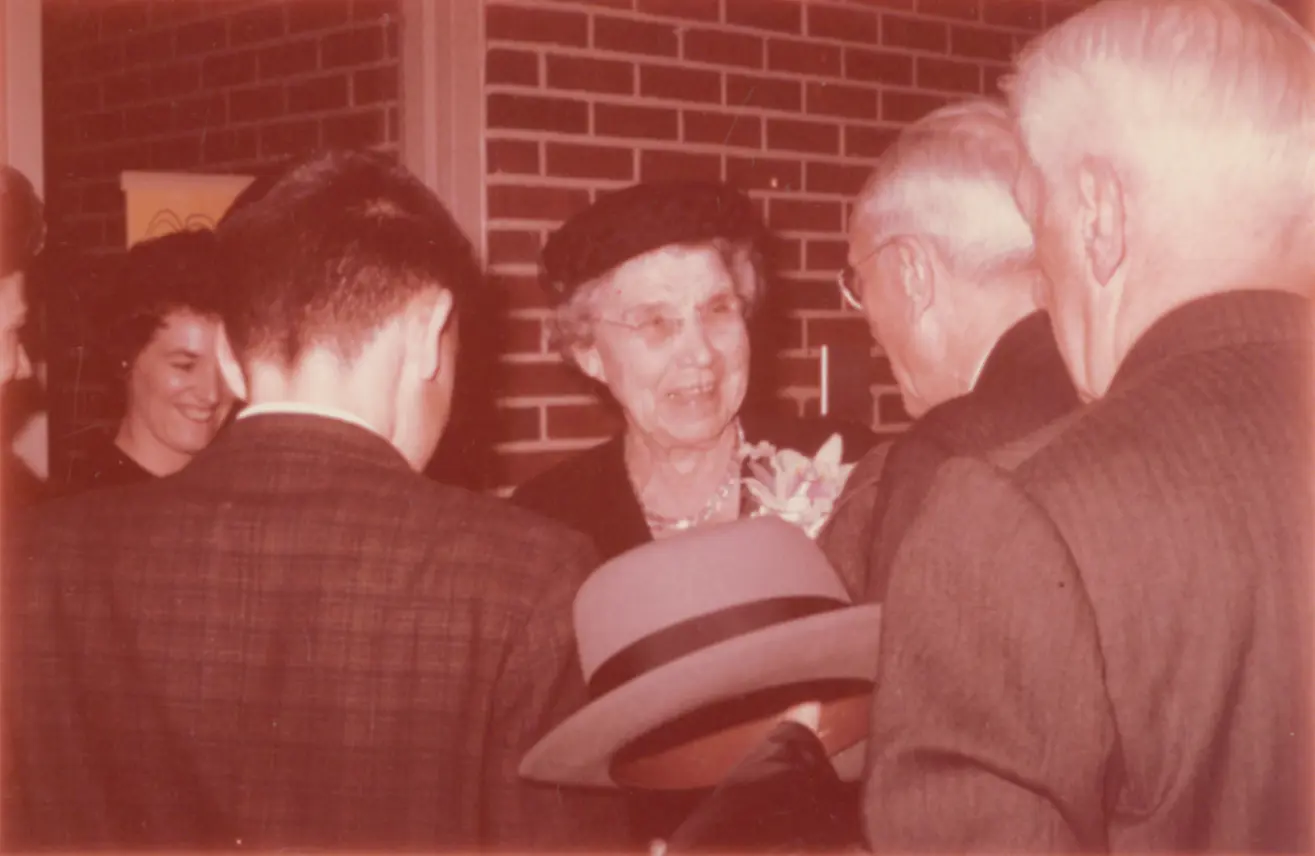
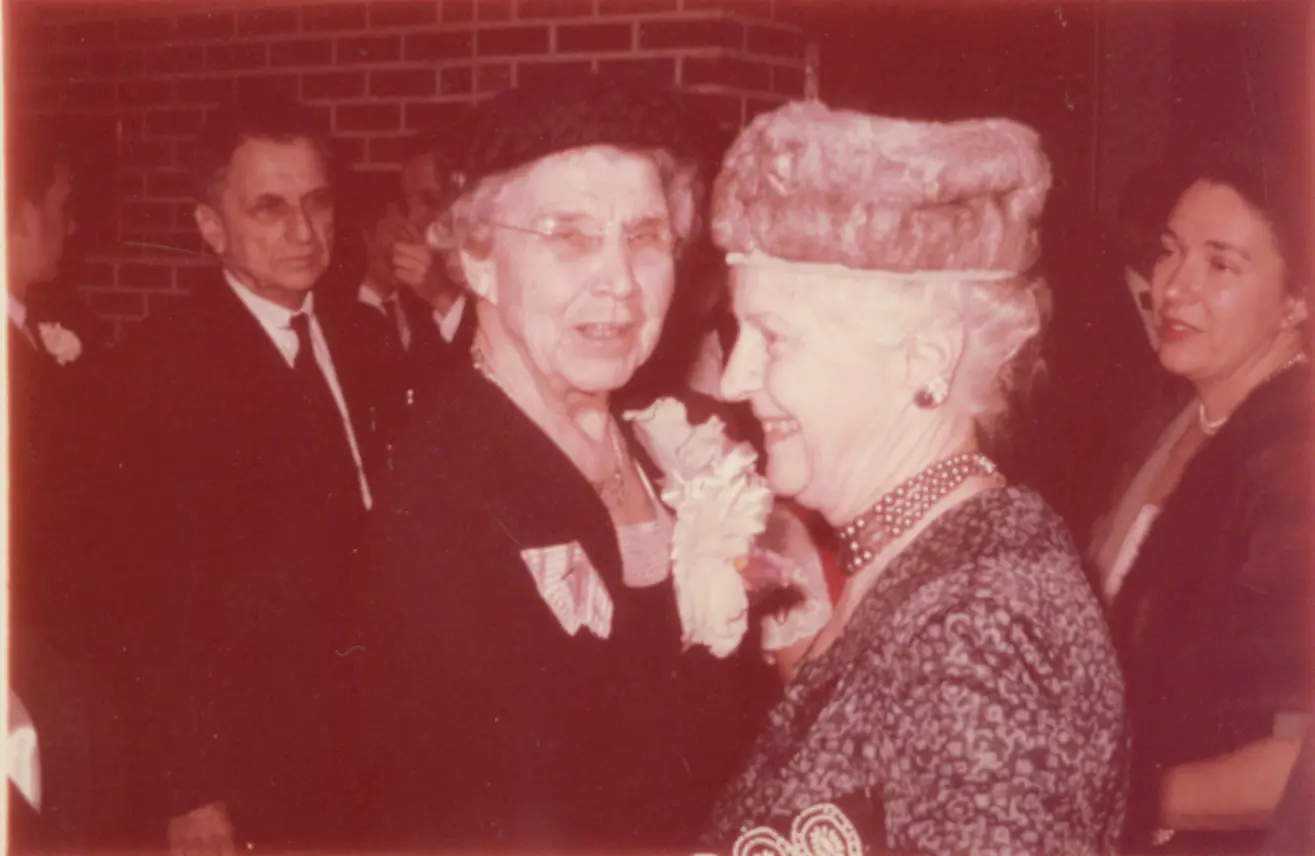
The Lovett School did not begin as an institution; it was constructed from an idea. At its center was Eva Lovett, whose vision would frame the school’s foundation and leave a lasting mark on education in Atlanta. That vision was shaped by a life defined by resilience, grief, and purpose.
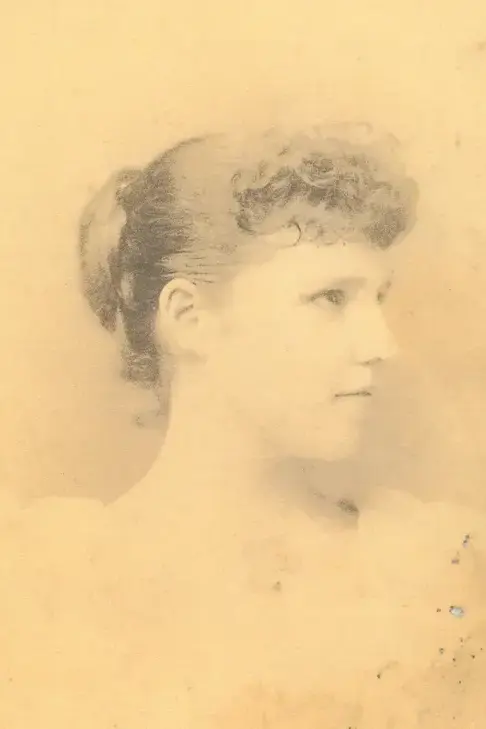
In the winter of 1873, in Marshallville, Georgia, Eva Edwards was born to Joseph Ashbury Edwards, a Confederate veteran and later a judge, and Emma Miller Edwards, a teacher. She would follow her mother’s path into education while forging her own way.
By the age of 18, Eva was teaching in Fort Valley after receiving a scholarship from Peabody College in Nashville to earn her Certificate-Licentiate in Instruction. It was her move to Atlanta in 1900 and her studies at Columbia University that would define her teaching career. There, she encountered the ideas of John Dewey, whose progressive educational philosophy, “learning by doing” became the bedrock of her career. Education, she would come to believe, should prepare a child not just for exams, but for a meaningful relation to a complex world.
Eva’s personal life was anything but easy. At 25, she married Dr. William Cuyler Lovett, a Methodist Minister and later editor-in-chief of the Wesleyan Christian Advocate. As a young adult, she became a mother to his five children and soon added her own children to a growing household. Amid the demands of family life, she continued to teach, tutor, and stay engaged in her community, joining the United Daughters of the Confederacy to honor her father.
Throughout her life came losses. Her first child, William Cuyler Lovett, Jr., died as an infant. Years later, her son, Edwards Andrew, passed away at a mere 19 years old. While grief could have stopped her, she remained dedicated to her vision.
In 1916, Eva took a leap of faith and opened a small school, Mrs. Lovett’s School for Children. Though the school closed in 1921 due to a family move, her passion for education never wavered. When she returned to Atlanta a decade later, in 1926, she established The Lovett School with an inaugural group of 20 students in Grades 1, 2, and 3.
Inside the classrooms, Eva prioritized a child’s holistic development over rote learning. She saw the school as an extension of the home, supporting “full and continuous physical, mental, and social development.”
Students were exposed to a rich tapestry of experiences, not just reciting lessons. They gardened, welcomed distinguished speakers like Eleanor Roosevelt and Princess Der Ling of China, explored and created art, solved problems, and exercised. While they studied math and history, students were also encouraged to think independently, cooperate with others, and engage with the world. Eva built The Lovett School around developing the whole child—in mind, body, and character.
Even as the school grew, life continued to test her. In 1938, her daughter Evelyn, who had joined her as a teacher, died suddenly. Two years later, her husband passed away. Once again, Eva faced profound loss. And once again, she endured.
Eva remained the center of the school she built and her family, helping to raise her grandson, Joseph King, while continuing to lead The Lovett School with passion. Avoiding the spotlight, her work spoke clearly through generations of students whose lives were and continue to be shaped by her vision.
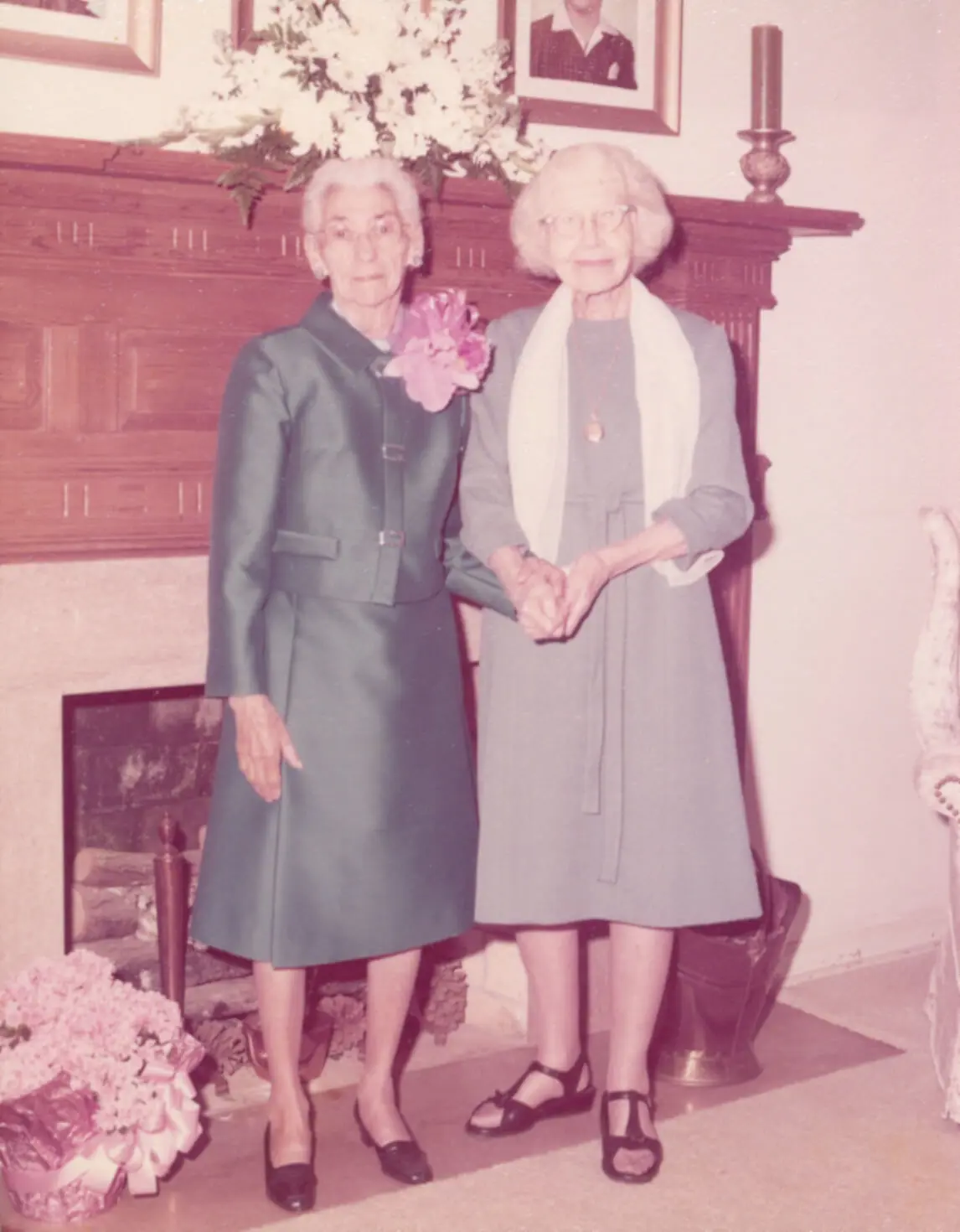
After nearly three decades at the helm, Eva retired at 81, lived to 92, and left behind more than a school—she left a legacy that helped shape the educational landscape in Atlanta and generations of families.