Founding Years (1926–1953)
Little Lovett
The story of what is affectionately known as "Little Lovett" today is one of rapid growth, deep community roots, and a visionary approach to education that remains at the heart of the school's identity.
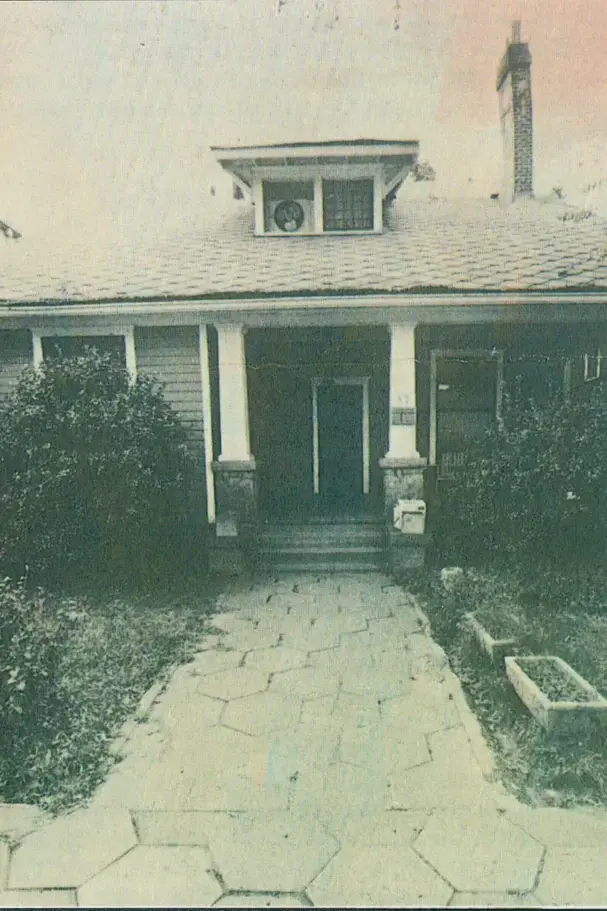
It all began in 1926 within the walls of Eva Lovett’s own home at 32 Peachtree Place. Starting with just 20 students across first through third grades, the school’s immediate success was evident; by the very next year, a kindergarten and fourth grade were added to the roster.
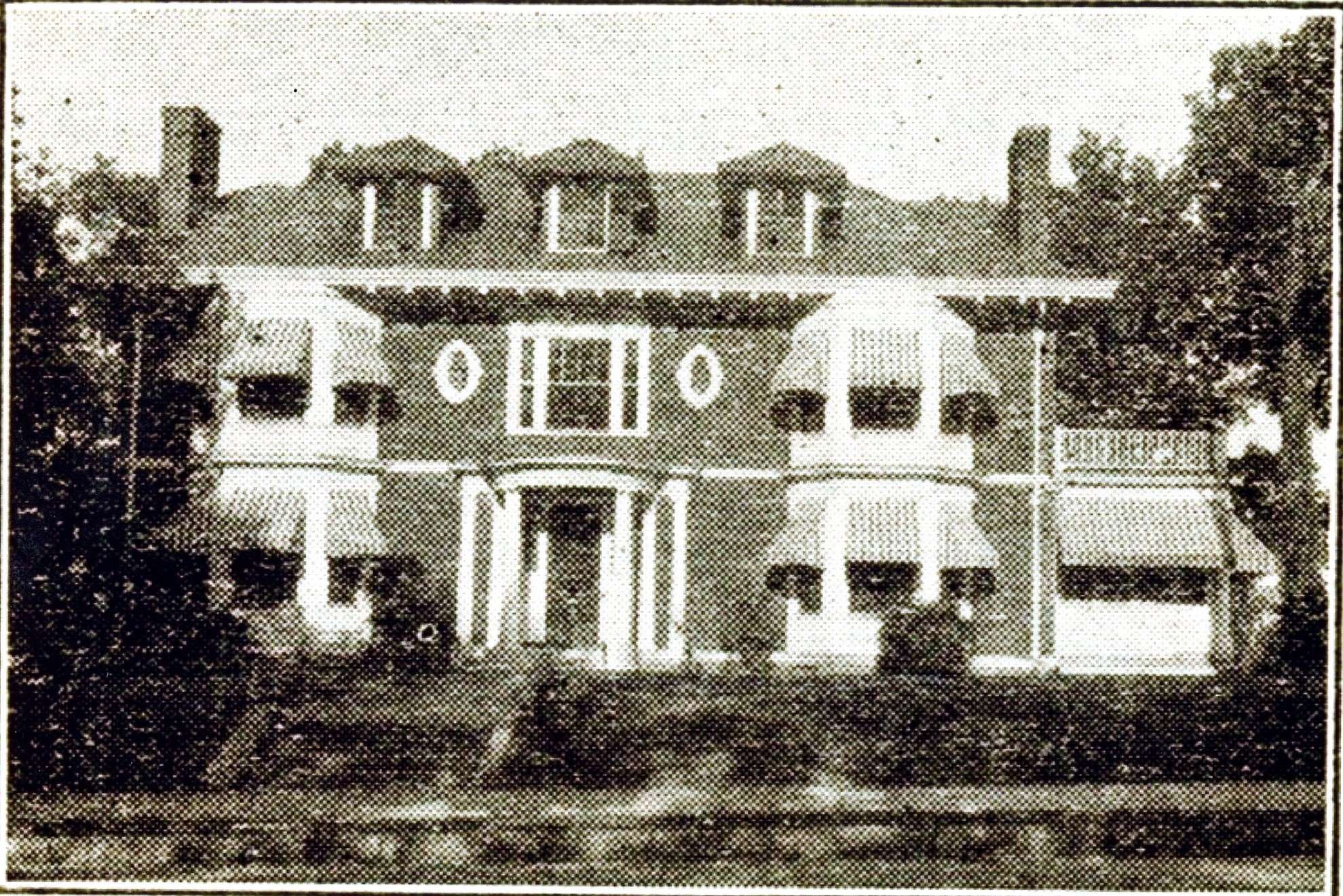
As the student body expanded to include fifth- and sixth-graders, the need for more space became unavoidable. In 1930, Eva moved the operation to the former home of Thomas K. Glenn at 921 Myrtle Street. This new location allowed the school to welcome four-year-olds and seventh graders, and by 1935, even physical additions to the building weren't enough to keep pace with the school's popularity. Recognizing that the school needed a permanent, expansive home, Eva Lovett took the pivotal step of forming a board of trustees.
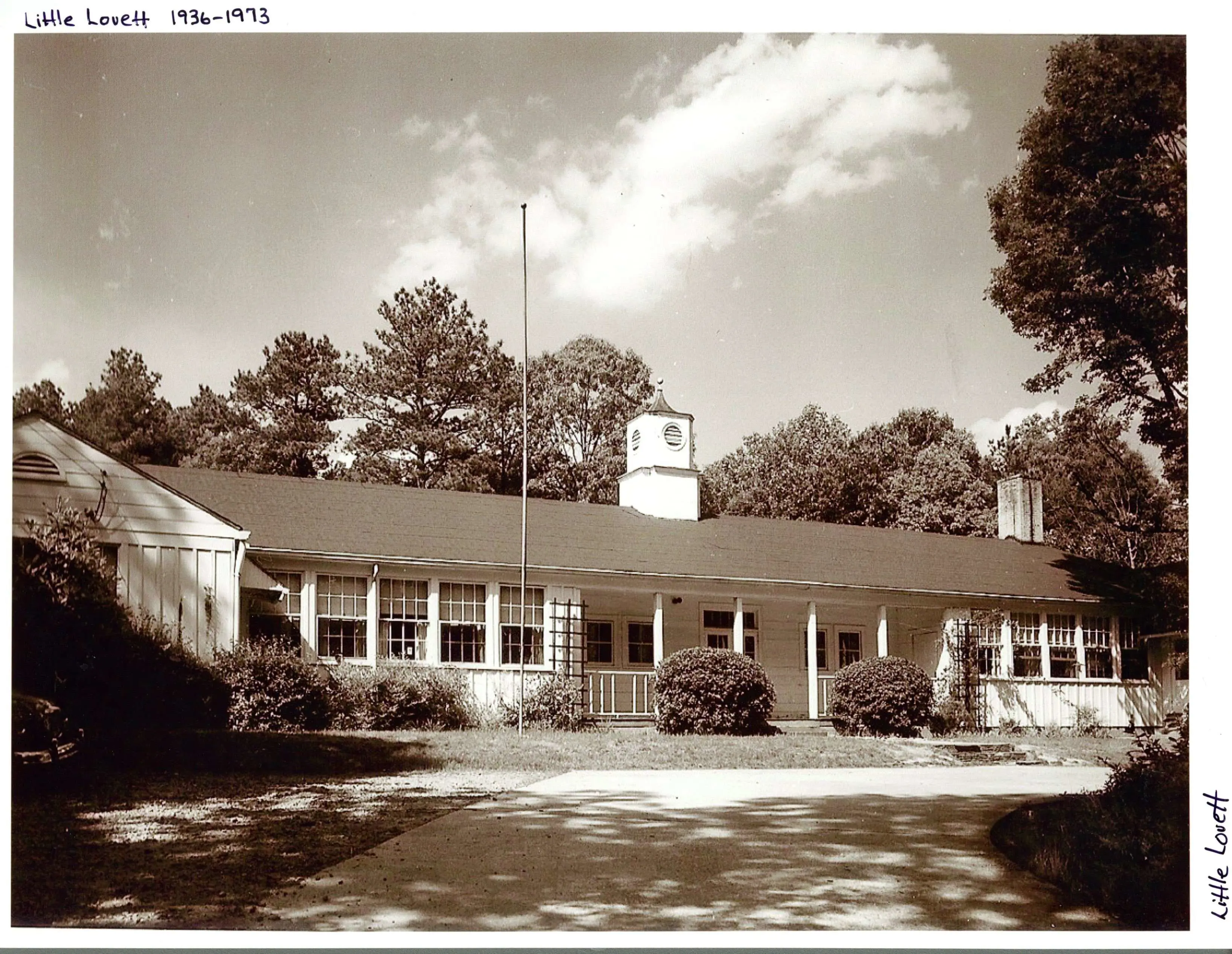
In 1936, The Lovett School was officially incorporated. Led by a board of nine dedicated parents and donors, the community raised the funds necessary to purchase 15 acres of land at 1415 West Wesley Road, the site where the school moved later that same year.
The move to West Wesley Road was more than just a change of address; it was the birth of a vibrant campus life.
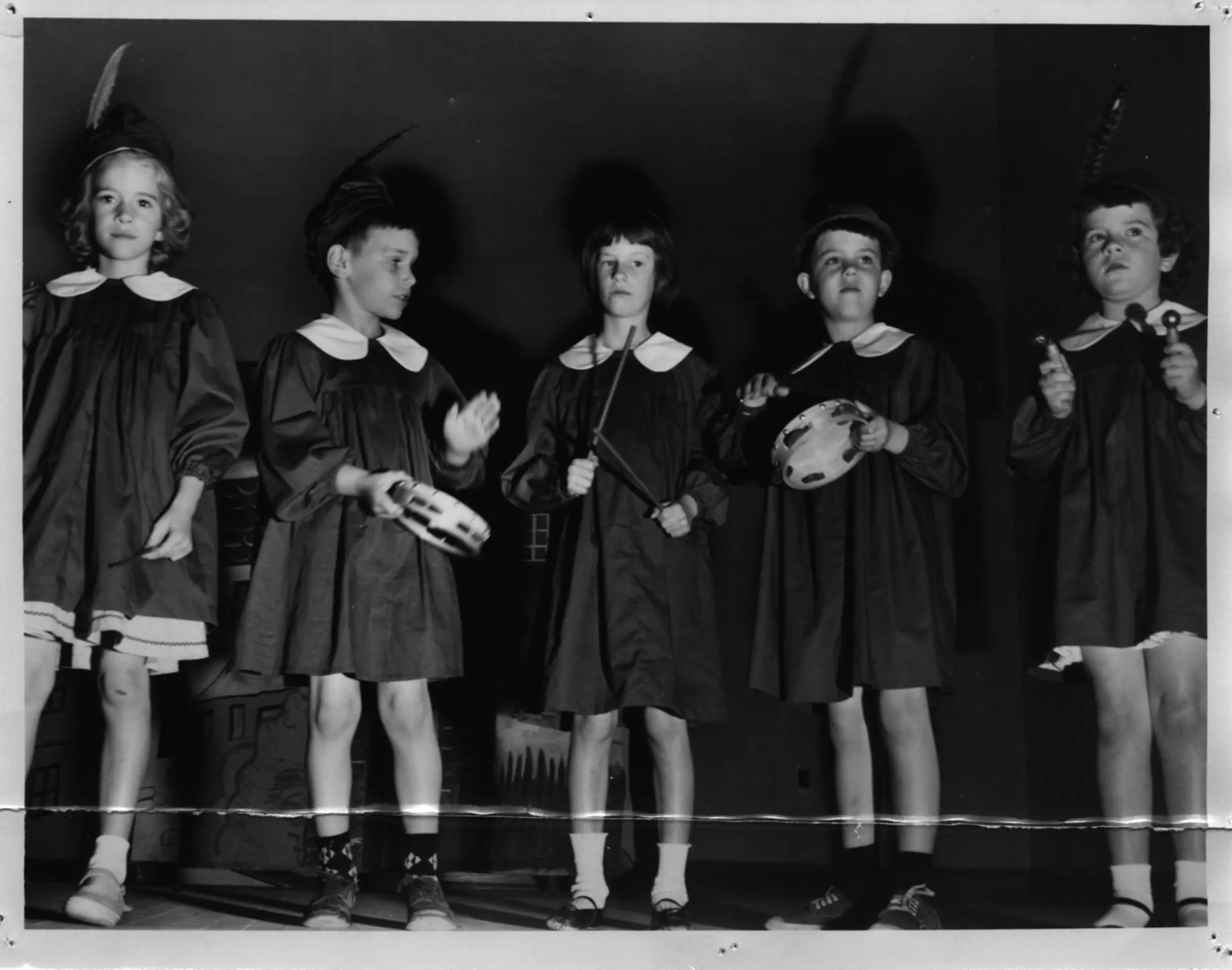
The Mothers Club, led by its first president, Ellen Kiser, became a driving force in the school’s development. They were responsible for essential infrastructure, such as paving the driveway and enlarging the kitchen, as well as providing furniture and creating scholarships for teachers. The campus itself was a place of memory and nature. A stage and lobbies were built as a memorial to Eva’s daughter, Evelyn, and the school’s staff was a true family affair, with Eva’s sister-in-law, Augusta Edwards, assisting in the music department.
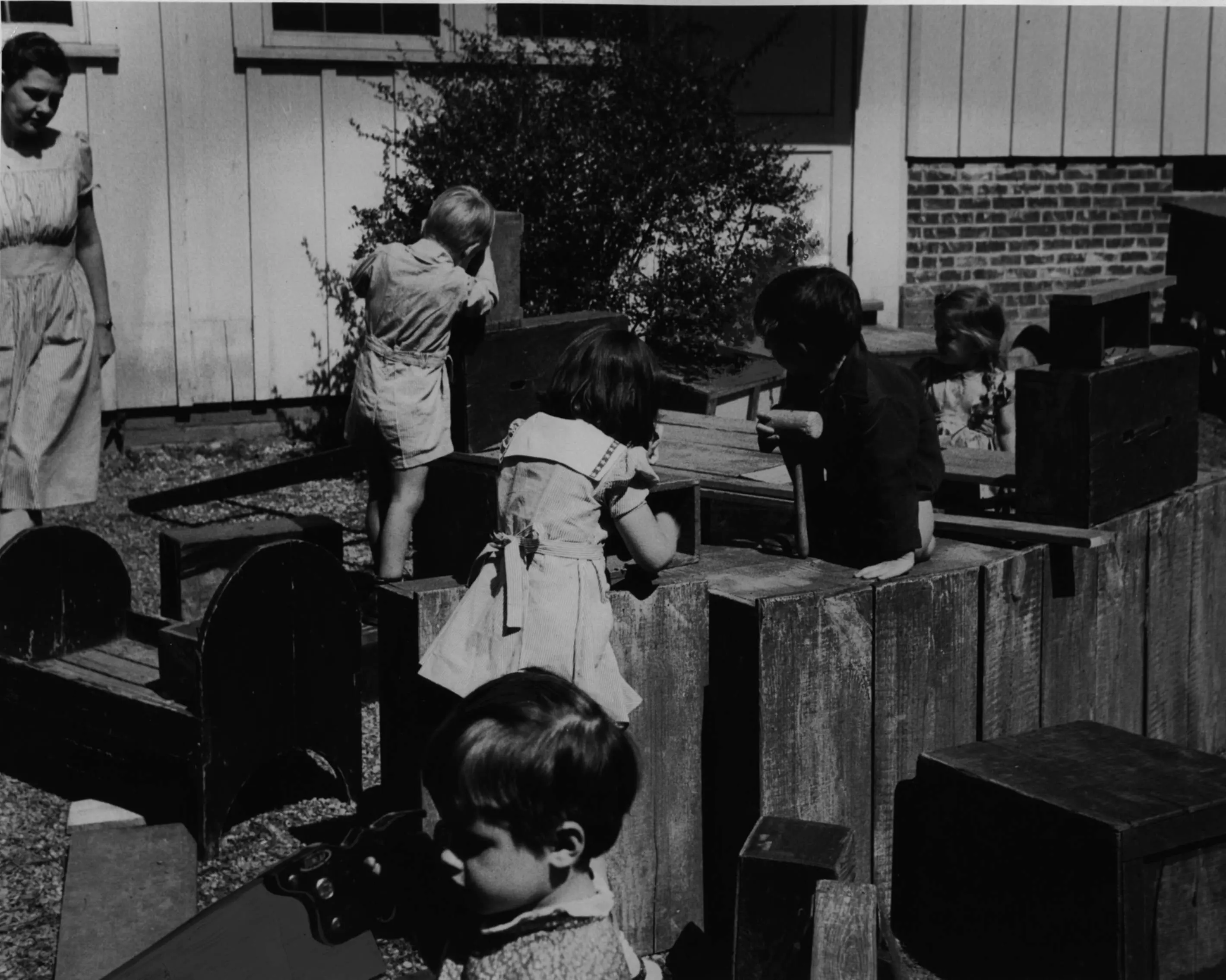
At the heart of the "Little Lovett" experience was Eva Lovett’s philosophy: that learning should be indistinguishable from living.
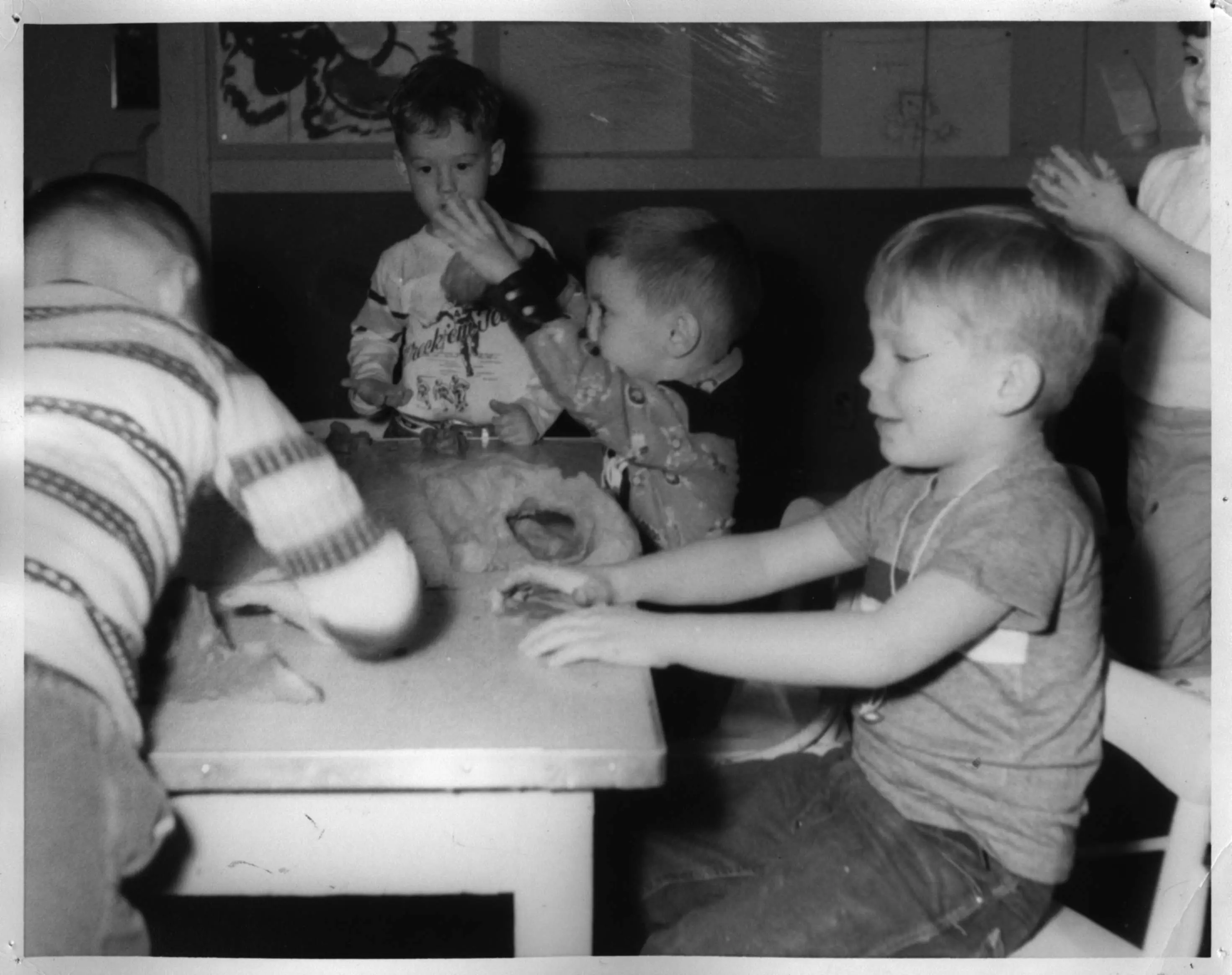
The 15-acre campus served as a living classroom. Students studied the trees and wildflowers, built bird feeders for their windows, and participated in an annual spring tradition of exploring the entire property. Education at Lovett went far beyond traditional textbooks. Students ran their own school store and bank to learn fiscal responsibility, and they published a monthly newspaper, School Days, which featured stories and art from students across all grades. A student council met weekly to make decisions about school life and behavior, teaching students the values of citizenship. From writing plays and building sets to learning French, cooking, and dance, the curriculum was rich and varied.
Eva Lovett’s approach emphasized individual attention and the development of character.
Discipline was not rooted in fear of punishment, but in an appreciation for the rights of others. At Lovett, students were taught to act with and for others, while learning to think and judge for themselves. History was taught as "yesterday's living" with a direct influence on the present, and subjects like arithmetic and grammar were revitalized through practical application. This holistic approach ensured that the feeling of school being disconnected from "grown-up life" was entirely absent. Today, while looking back on the early days of Little Lovett, we see the foundation of a school that continues to value the magical, creative, and practical nature of learning.