
Expanding Horizons (1971-1999)
Siempre Verde: Lovett's Living Classroom in the Clouds
Thirty-four years ago, Upper School science teacher Bob Braddy walked into then-headmaster Jim Hendrix’s office with a bold idea. What if Lovett purchased property in the Ecuadorian cloud forest?
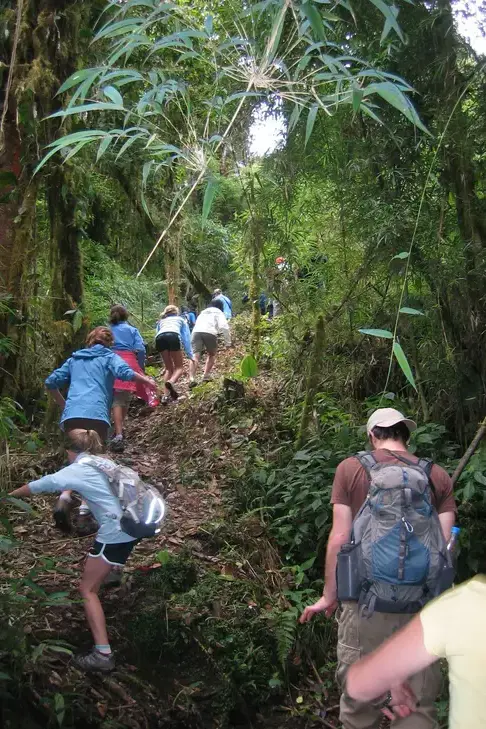
Hendrix listened, agreed, and Siempre Verde was born. Today, it’s an 825-acre preserve and research center declared a “protected forest" by the Ecuadorian government, and one of the most distinctive programs in independent school education.
Securing the funding to establish Siempre Verde was truly a community effort. The Lovett Ecology Club sold pizzas and worked to raise funds to make it a reality. Students also picked the name Siempre Verde, meaning “Forever Green” in Spanish. While raising funds to purchase the land, Lovett also wanted to give back to the local community by helping rebuild a school in the nearby village of Santa Rosa. Giving back to the local community remains an important part of the mission.
That mission is now carried forward by ecologist and Upper School science teacher Alex Reynolds, who has led the program for nearly 20 years. Building on the foundation Braddy established, Reynolds has worked to deepen Siempre Verde's roots in both the cloud forest and the surrounding community—and to make the science real.
The Tropical Andes region is one of the richest and most diverse ecosystems on Earth.
It’s also among the most endangered. Siempre Verde sits at roughly 8,600 feet of elevation and spans dramatically varied terrain—from river valleys to a high-altitude forest accessible only by a challenging 3,000-foot climb.
The property is home to a variety of animal species and endangered bird species, including the plate-billed mountain toucan, the yellow-eared parrot, and the resplendent quetzal. A population of rare frogs is found within the forest, as well.
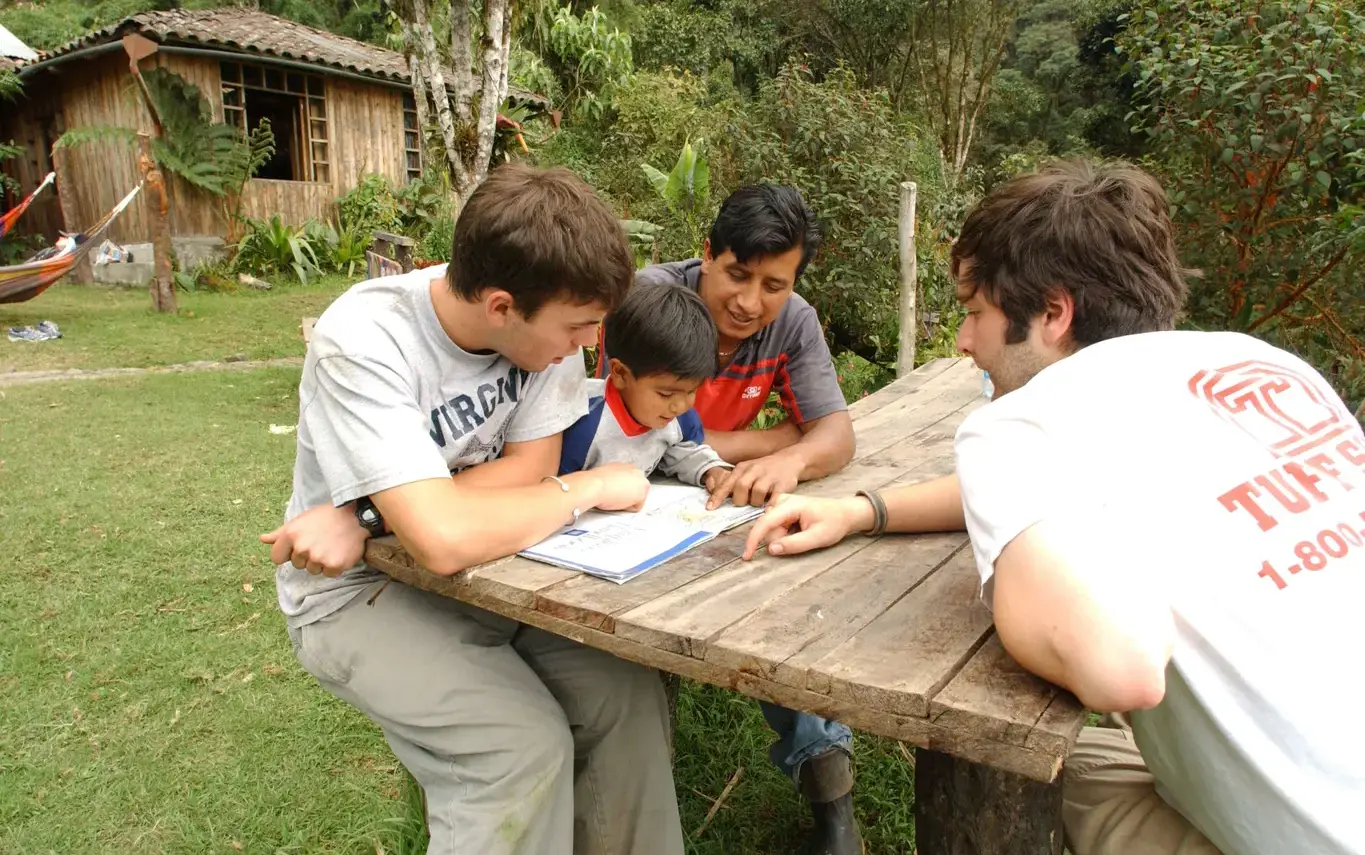
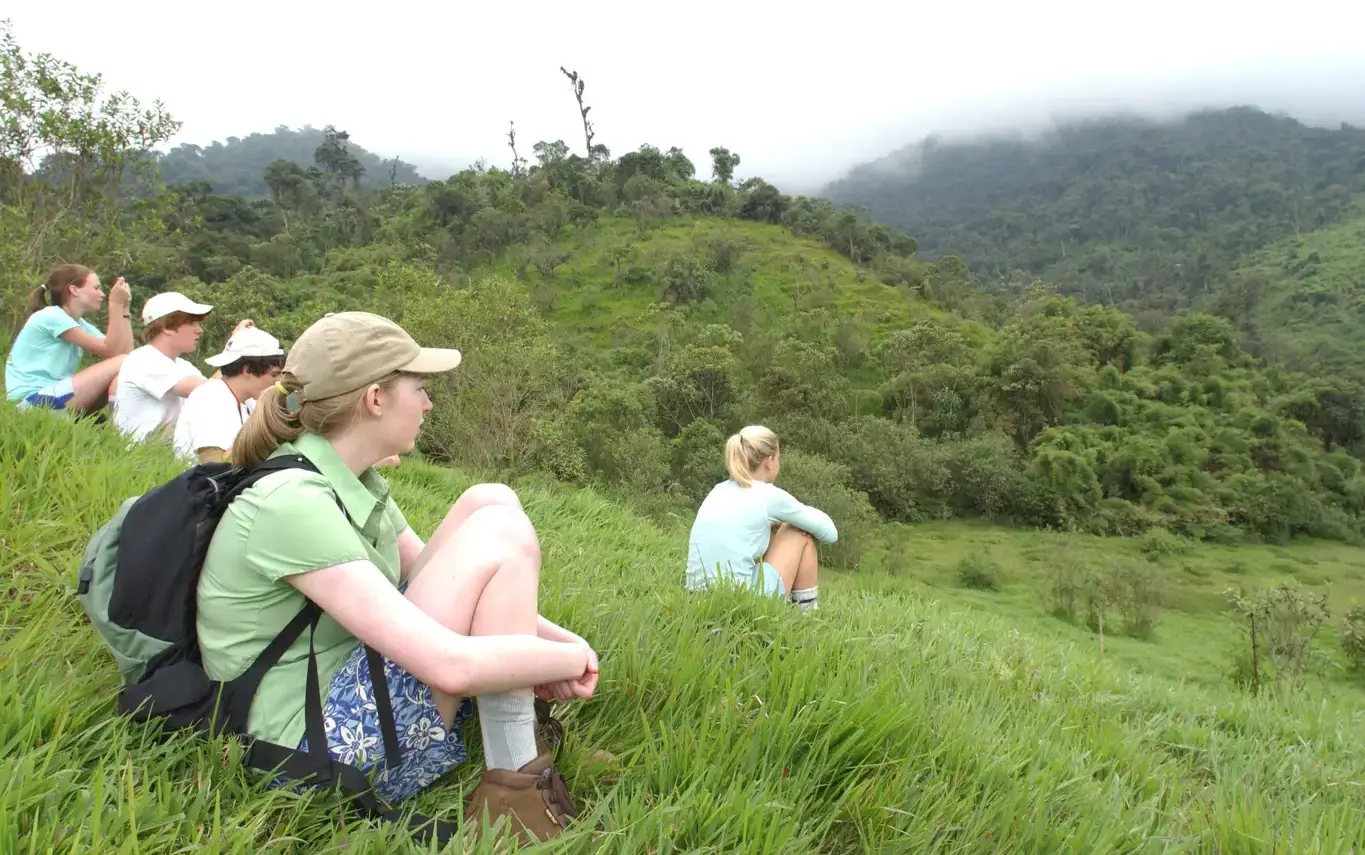
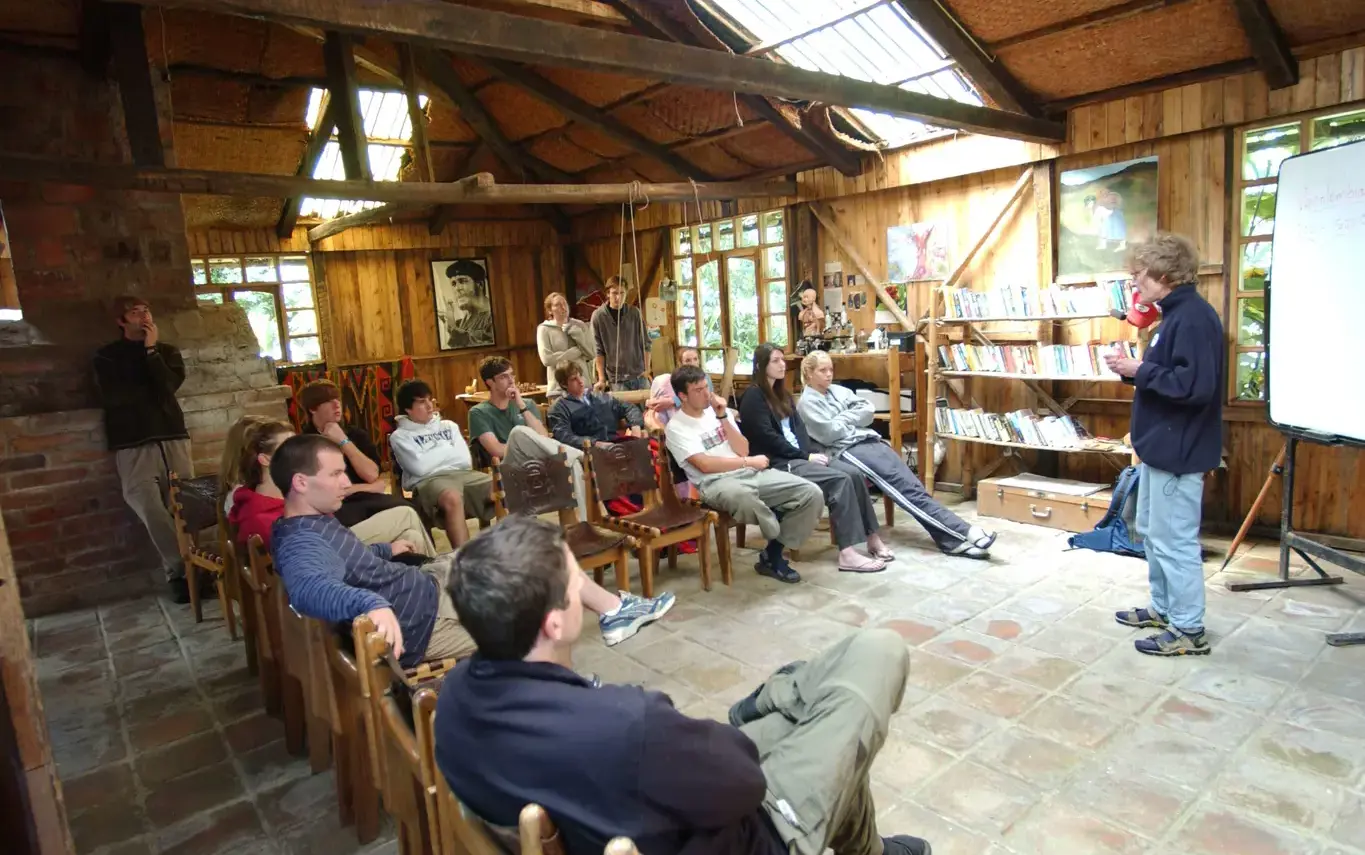
Students from all three divisions at Lovett have the opportunity to visit Siempre Verde. The school offers several trips throughout the year for students and alumni, including a summer program where Upper School students can really dive deep into ecology, language, and culture. There’s also an elective course related to the project.
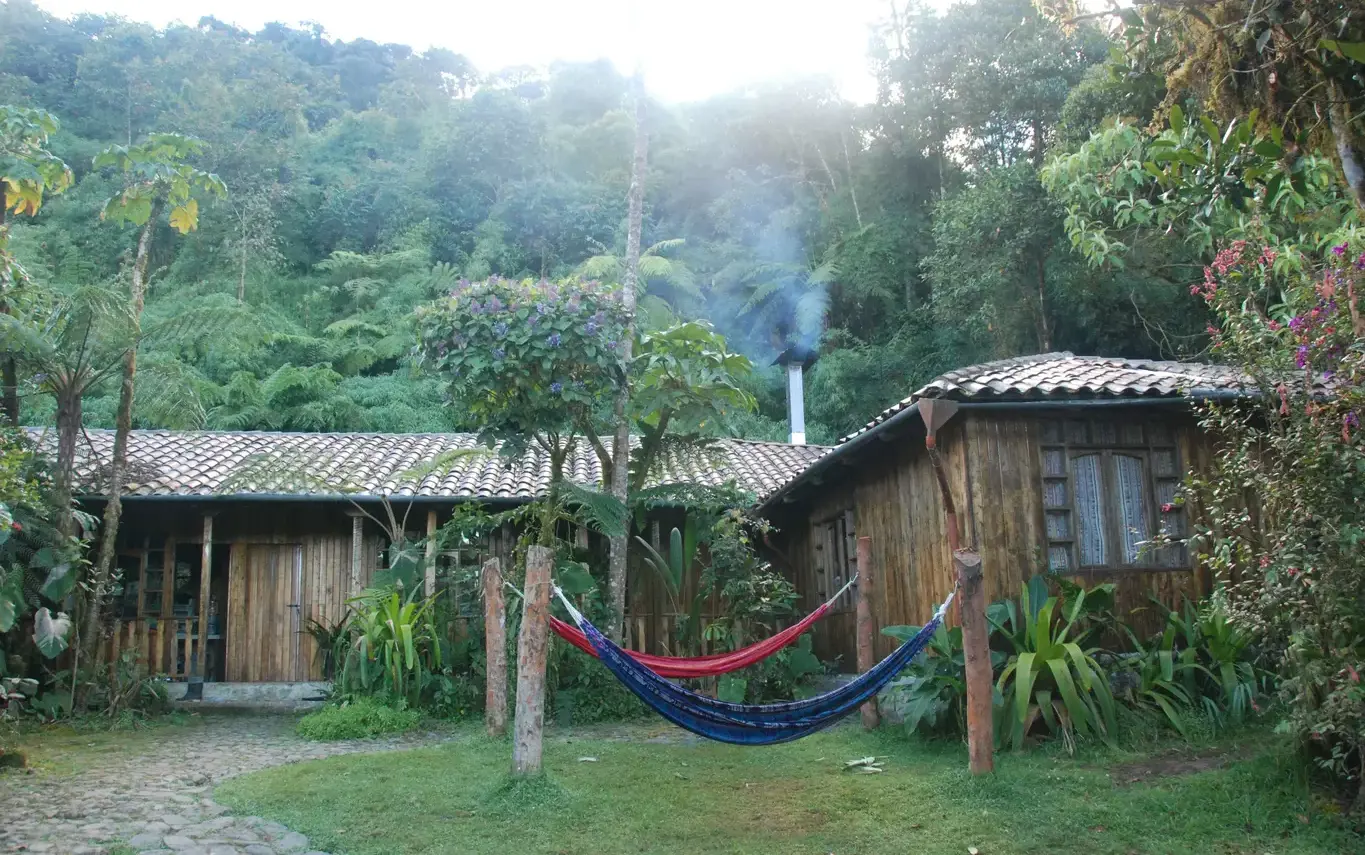
While visiting Siempre Verde, students and researchers stay in the recently renovated Robert and Connie Braddy Research Station, a lodge and lab space on the property that sleeps up to 32 people and operates almost entirely off the grid, with candles and headlamps replacing electric lights after dark.
Days at Siempre Verde look nothing like days in a classroom. Students hike to the river, explore forest trails, visit local farms practicing sustainable agriculture, and learn from community artisans. It's experiential learning at its most immersive.
In an era when educational trends rise and fall quickly, Siempre Verde has endured because it offers something rare: genuine connection — to the natural world, to a community across the globe, and to one another.
“It’s not just about connecting with the environment—it’s about connecting with each other and forming authentic relationships. That’s something you can’t replicate through technology,” says Reynolds. “That kind of impact is hard to quantify, but it’s incredibly valuable.
What also sets Siempre Verde apart from other service-learning programs is its growing research dimension. Through partnerships with the Atlanta Botanical Garden and several universities, the property has become a site for published scientific research on forest dynamics and biodiversity. Students can hold in their hands peer-reviewed papers produced from the very land they're walking on — a connection few high school programs anywhere in the world can offer.
On the surface, Siempre Verde may have seemed like a bold idea all those years ago, but it has grown into one of Lovett’s most meaningful opportunities for student learning and fosters care for the earth at home and abroad.