
100 Years of Lovett
Celebrate and Look Forward
Founded in 1926 by Eva Edwards Lovett, our school began with a dedication to progressive education and a mission to let every child’s individuality thrive. As we reach our centennial in 2026, we honor our past while looking forward to our next century of excellence.
|
Join the Celebration
The Lovett Centennial Celebration Gala: A Century in the Making
One hundred years of history, community, and shared memories culminate in one unforgettable evening. Join fellow alumni, families, and friends as we honor our past and look forward to Lovett's bright future. Reserve your ticket today for this historic milestone celebration!

Attend the Centennial Celebration Gala |
Our Stories
A Century's Worth of Experiences
Dive deeper into the legacy of Lovett through the captivating stories of the defining people, historic places, and cherished traditions that have shaped our first century.
-

The School that Eva Lovett Built
Driven by a life of profound resilience and progressive vision, Eva Lovett overcame deep personal tragedy to transform a revolutionary educational philosophy into one of Atlanta's premier academic institutions.
-

Cecil A. Alexander: The Man Who Built Hermi's Bridge
Cecil A. Alexander Jr., a distinguished 1930s Lovett alumnus and decorated Marine pilot, broke traditional molds as a Harvard-trained architect to design Atlanta's future and co-found the Atlanta Black-Jewish Coalition.
-

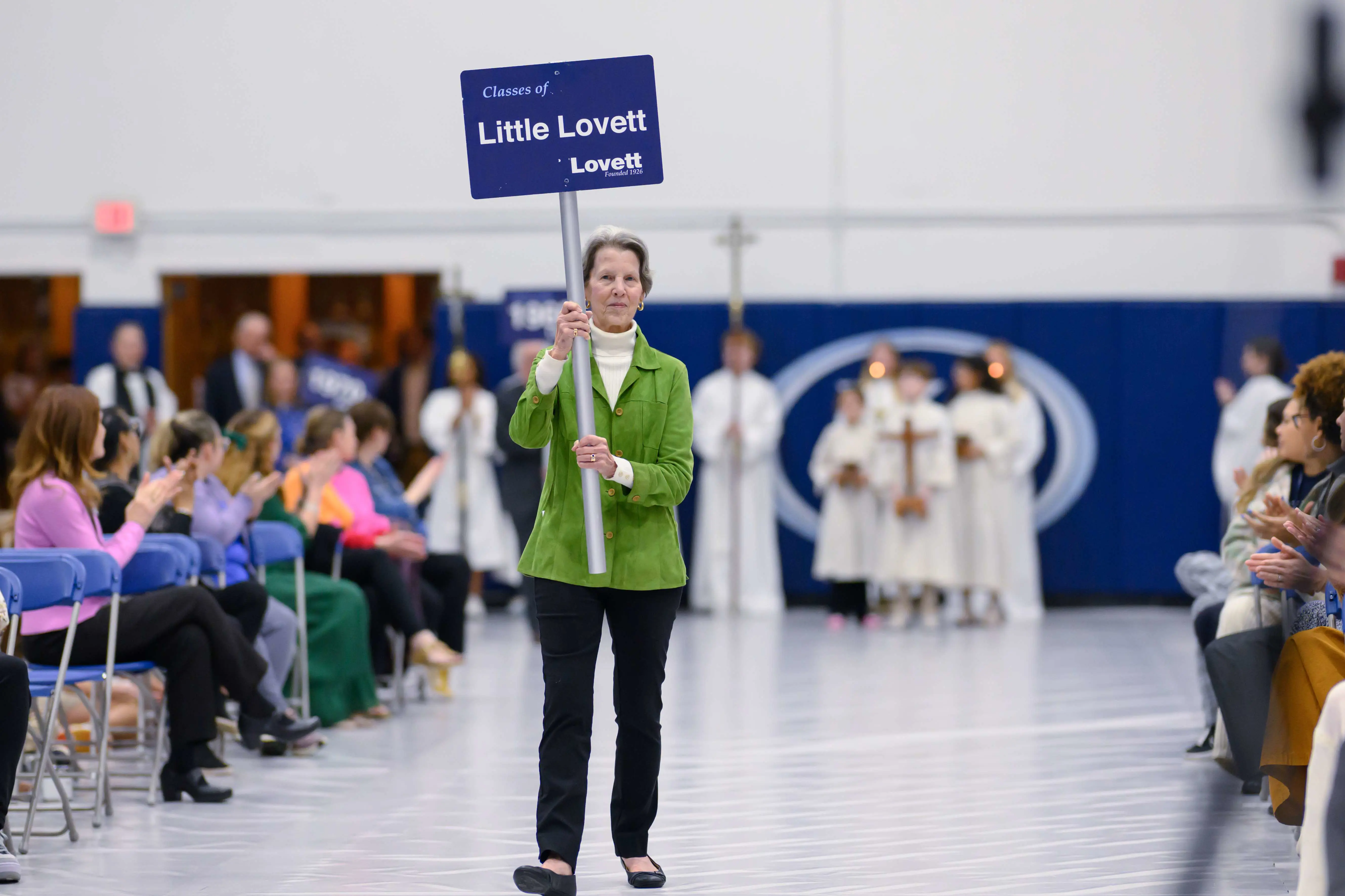
Little Lovett
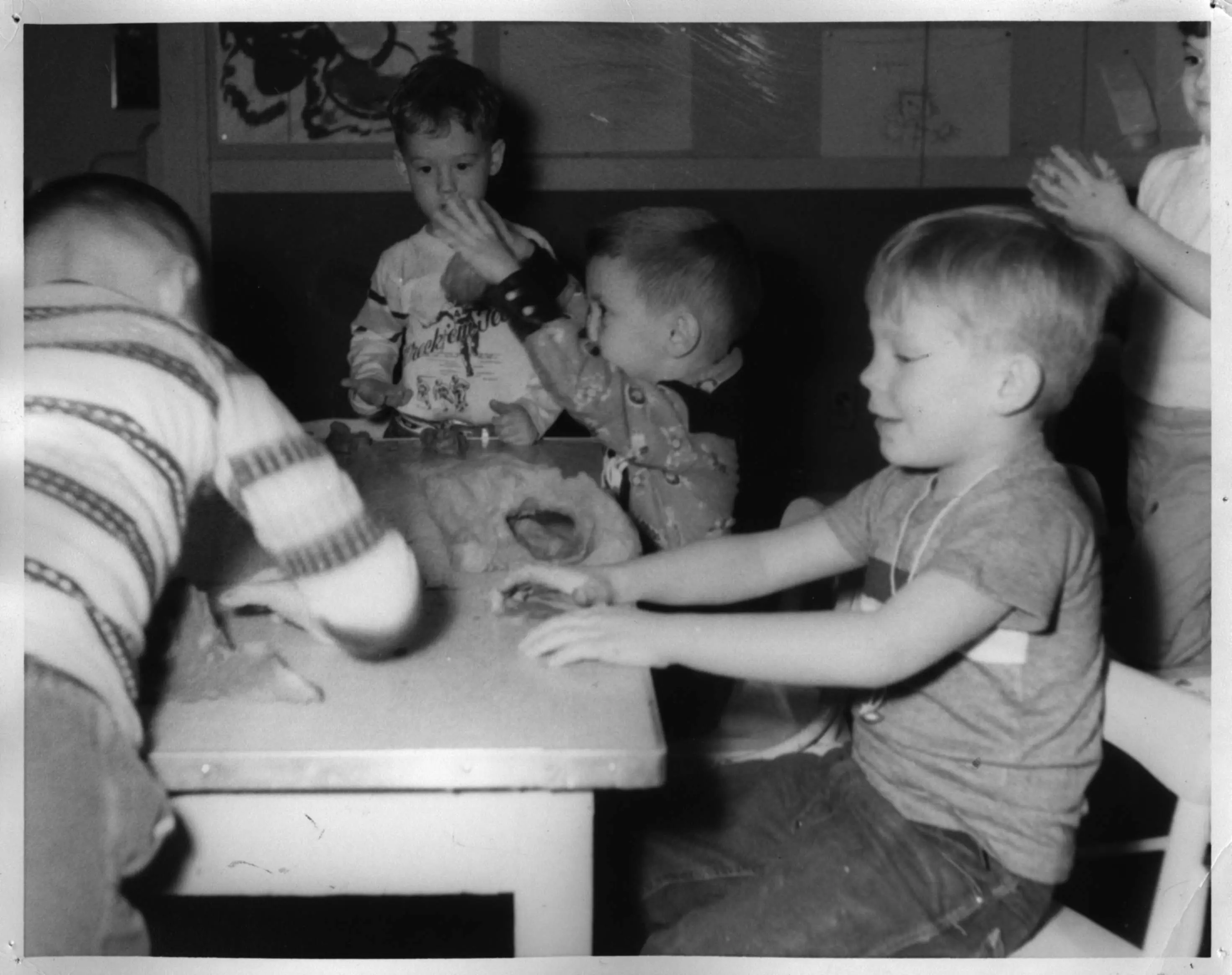
From its humble 1926 beginnings in Eva Lovett's home with just 20 students, a visionary approach to education sparked rapid growth and laid the foundation for The Lovett School.
What is your favorite Lovett memory? |
Lovett Through the Decades
A Century in the Making
Journey through a century of Lovett history and discover the defining moments, milestones, and memories that have shaped our community since 1926.
1926
Founding Years
The Lovett School is Founded
Eva Edwards Lovett opened The Lovett School for 20 students in Grades 1, 2, and 3 at 32 Peachtree Place.

1960
Changing Times
Move to Paces Ferry
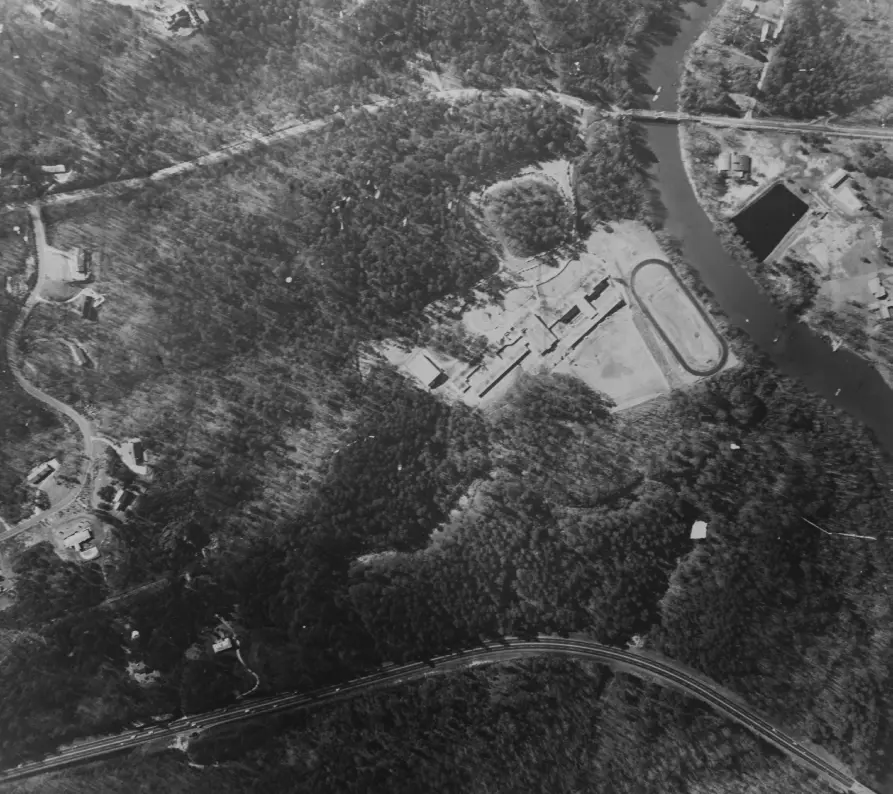
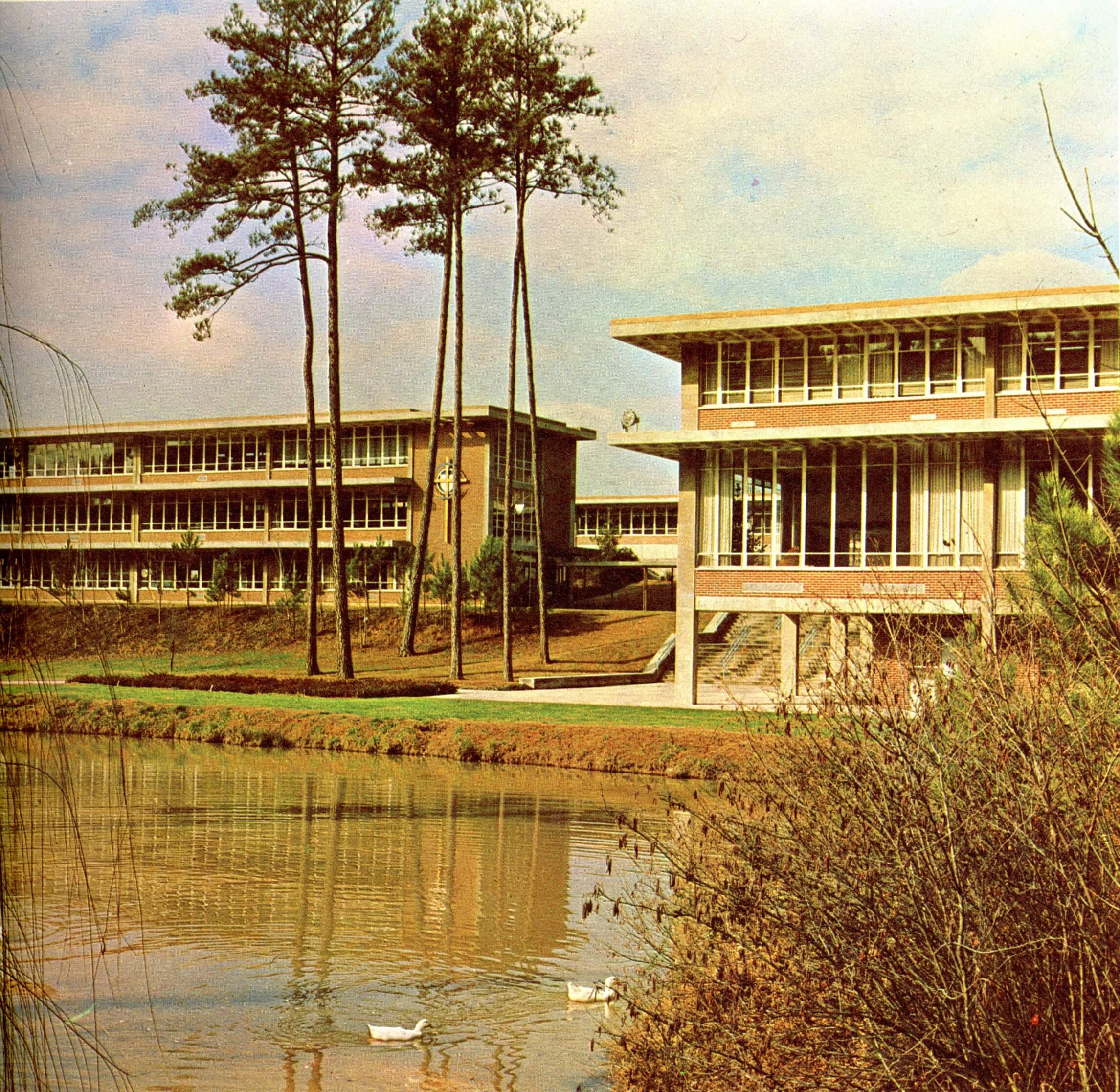
Three major buildings were constructed: the Lower School, the first floor of the Middle School, and the Administrative Building. The 1960–61 school year opened with 1,024 students, representing all grades except 12th.

2001
21st Century
The Lovett School Celebrates 75 Years
Following Opening Chapel, where a ceremonial anniversary banner was presented to the school community, all students, faculty, and staff formed “Lovett 75!” on the Kilpatrick Stadium field for an aerial photograph.

Lovett Artifacts
Artifacts:
Explore the Lovett Museum
Discover Lovett’s history through a curated collection of meaningful artifacts, vintage memorabilia, and physical treasures that bring our century-long story to life.

Circle Serve Tray
Circle Serve Lunch Tray
For 33 years, the Circle Serve was a staple of the Lovett dining experience. Installed in 1978, the system became an immediate success, featuring a large circular conveyor belt that spanned three-quarters of the serving area. Students would place their trays on small counters at various stations, selecting items directly from the moving belt before heading to their tables. The Circle Serve was decommissioned in 2011 due to increasing maintenance challenges.

Our Town Program
Our Town
While dramatic performances have been part of Lovett’s history since its founding, the tradition of formal theater took root in February 1962, when Upper School students first performed Our Town. It was a landmark event launched by the newly formed Dramatics Club and introduced a play that would be performed seven more times over the next 60 years, more than any other play.
That first production was a collaborative experiment; while most roles—from George Gibbs to the "Dead Man"—were shared by different actors across two nights, Headmaster Dr. Kellett anchored the show as the Stage Manager for both performances.


Little Lovett Desk
Little Lovett Student Desk
Locked away for years after Lovett closed its West Wesley Road campus in 1973, this student desk was nearly lost to history. Fortunately, when the property was purchased for redevelopment in the late 1970s, alumnus and trustee Rob Settle ’65 recognized its value and saved it from demolition.
Now part of the Lovett Archives, the desk features a classic wrought iron frame and a flip-top seat. Its desktop, which served the student seated behind it, even offers a personal glimpse into the past with a built-in inkwell and the initials "WH" carved into the wood by a former student.


1758 Book of Prayers
1758 Book of Prayers from the Church of England
This 1758 Book of Common Prayer, donated to Lovett by Caro duBignon Alston, is a remarkable piece of history that represents a specific window into the pre-Revolutionary era of the Church of England, printed during the reign of King George II. While the Book of Common Prayer had been largely stabilized by the 1662 revision, this 1758 edition is significant because it contains State Prayers for King George II and the Royal Family, just years before the American Revolution changed the colonial liturgical landscape. In the mid-18th century, these books were often imported from England to serve Anglican parishes in the American colonies, specifically in Georgia and South Carolina.

The donor's name, Caro duBignon Alston, links two prominent Southern families with deep roots in the Georgia coast and the Sea Islands. The duBignon family is famous for owning Jekyll Island, Georgia, after French aristocrat Christophe duBignon purchased it in the late 1700s, while the Alston family was a massive dynastic lineage in the Carolinas and Georgia associated with rice planting and leadership in the Episcopal Church. As an intersection of these two lineages, "Caro" (likely Caroline) duBignon Alston's donation of this 1758 prayer book suggests a family heirloom that survived the Civil War and the transition of the duBignon estate.
Ultimately, this artifact serves as a primary link to the Anglican roots of the Georgia colony. Such books were often more than religious texts, frequently serving as family registers with handwritten records of births, deaths, and marriages in their flyleaves.
Celebrating 100 Years of Lovett
Capturing the spirit of our Centennial. Browse through our growing collection of highlights as we celebrate the rich history and vibrant community that continue to shape Lovett’s legacy.
Grab your limited-edition Centennial gear! |